

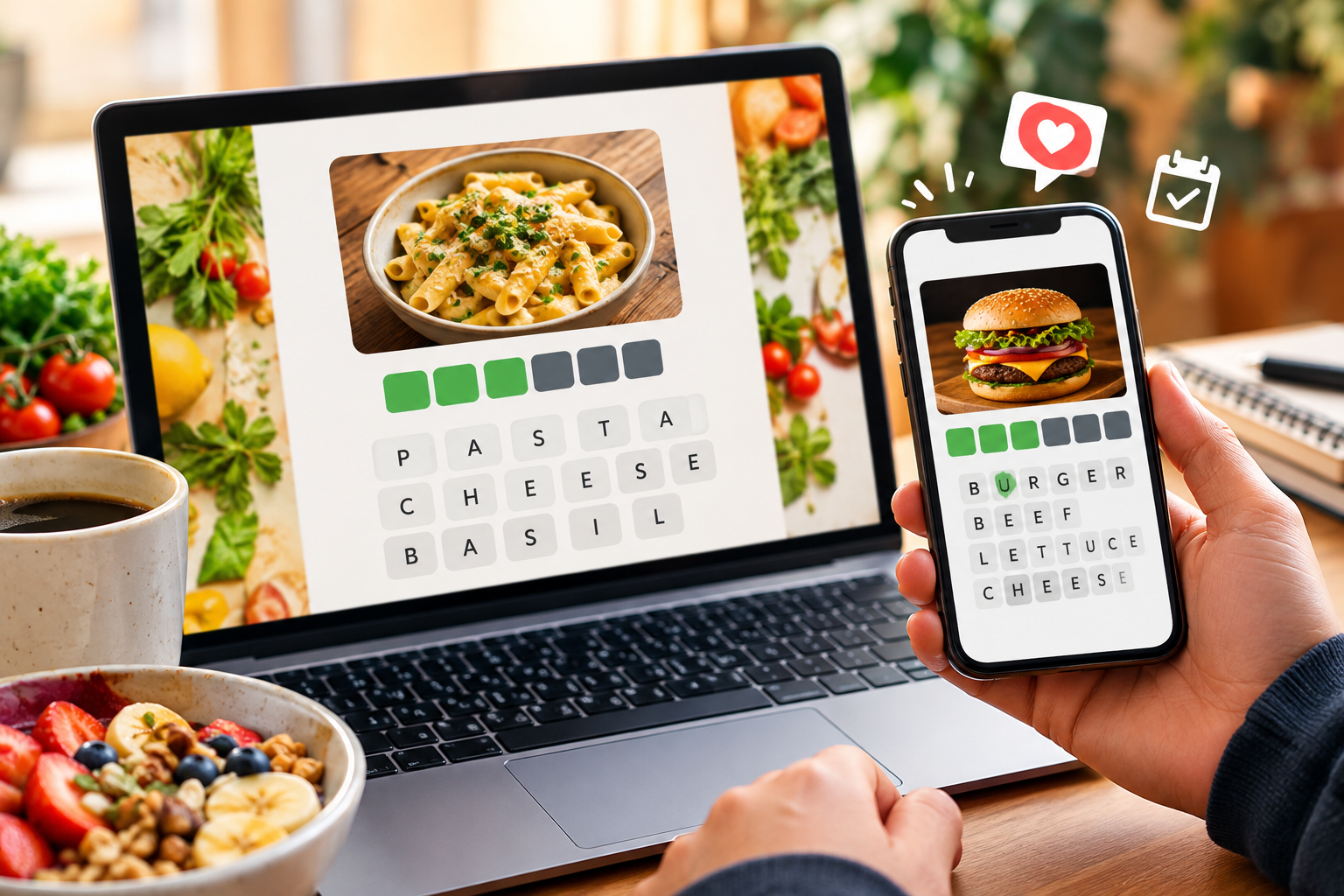

In an era where digital entertainment is becoming increasingly complex, one simple idea managed to capture people’s attention: a daily food-based word puzzle. Phoodle gained popularity by combining two things people naturally enjoy, the challenge of solving puzzles and the universal love for food. While many games compete for users’ time with advanced graphics, complicated mechanics, and endless features, Phoodle took a different approach. It created a short, meaningful daily experience that encouraged people to return again and again.
The success of Phoodle highlights an important shift in online entertainment. Users are not always looking for longer or more complicated experiences. Instead, many people prefer simple activities that fit naturally into their daily routines. A quick puzzle during breakfast, a short mental challenge during a break, or a shared result with friends can create a strong connection between a user and a digital product.
What Is Phoodle and Why Did It Become Popular?
Phoodle is a daily food-themed word puzzle game where players try to identify a food-related word within a limited number of attempts. Similar to other popular daily puzzle formats, it gives users a fresh challenge every day instead of unlimited gameplay.
The concept is simple, but the theme makes it unique. Instead of guessing random words, players explore the world of food through ingredients, dishes, cooking terms, and culinary concepts. This creates a more emotional connection because food is something almost everyone relates to.
Food is connected with memories, cultures, travel experiences, celebrations, and personal preferences. By turning food knowledge into a game, Phoodle transformed a basic guessing activity into something more engaging and personal.
The Psychology Behind Phoodle’s Daily Habit
One of the biggest reasons behind Phoodle’s success is its ability to create a daily habit. Human behavior is often influenced by small routines, and Phoodle fits perfectly into this pattern. The game does not demand hours of commitment. Instead, it offers a simple challenge that can be completed within minutes.
This low-effort experience reduces the barrier for users. They do not need to learn complicated rules, download large applications, or spend significant time playing. They simply open the puzzle, solve it, and continue their day.
The daily format also creates anticipation. Since players receive only one challenge each day, they naturally develop curiosity about the next puzzle. This sense of waiting and returning is one of the strongest engagement strategies used by successful digital products.
How Food Became Phoodle’s Biggest Advantage
The choice of food as a theme played a major role in building Phoodle’s audience. Food is a universal interest that connects people across different backgrounds. Whether someone enjoys cooking, exploring restaurants, learning about cultures, or simply trying new dishes, food creates emotional engagement.
Unlike traditional word games, Phoodle provides an opportunity for discovery. Players may encounter unfamiliar ingredients, unique dishes, or culinary words they have never seen before. This combination of entertainment and learning makes the experience more valuable.
The food industry itself has a strong online community. People constantly share recipes, restaurant experiences, cooking videos, and food recommendations. Phoodle naturally fits into this existing behavior, making it easier for users to discuss and share their experiences.
The Role of Social Sharing in Phoodle’s Growth
A major factor behind many successful digital products is community-driven growth, and Phoodle benefits from this approach. When players complete their daily challenge, they can share their results with friends and online communities.
This simple sharing behavior creates organic visibility. Instead of relying only on traditional advertising, users themselves help spread awareness about the game.
Social sharing also introduces an element of friendly competition. People compare results, discuss difficult puzzles, and encourage others to participate. This transforms an individual gaming experience into a shared activity.
The strongest digital communities are often built when users feel they are part of something bigger than the product itself. Phoodle achieved this by creating a simple experience that naturally encourages conversation.
What Businesses Can Learn From The Phoodle Effect
The growth of Phoodle offers valuable lessons for businesses, marketers, and digital creators. The first lesson is that simplicity can be powerful. A product does not always need hundreds of features to attract loyal users. A clear idea, executed effectively, can create strong engagement.
The second lesson is the importance of building habits. Successful digital products become part of people’s routines. Whether it is checking daily news, completing a fitness goal, or solving a puzzle, products that create regular interaction often build stronger customer relationships.
Another important lesson is the value of emotional connection. Phoodle did not just create a game; it connected the experience with something people already care about — food. Brands that understand their audience’s interests and emotions can create more meaningful experiences.
Why Simple Digital Experiences Are Winning
The rise of Phoodle represents a larger trend in the digital world. Many users are moving away from overly complicated platforms and choosing experiences that provide quick value.
Short, engaging, and personalized content is becoming increasingly important. This is why daily puzzles, newsletters, short videos, and interactive experiences continue to attract loyal audiences.
People are not only looking for entertainment; they are looking for small moments of enjoyment that fit into their lifestyle. Phoodle succeeded because it understood this shift.
The Future of Daily Puzzle Games
The success of Phoodle shows that the future of casual digital entertainment may not always depend on advanced technology. Instead, successful products will likely focus on understanding human behavior, creating habits, and building communities.
A simple idea can become powerful when it combines the right elements: a clear purpose, emotional relevance, easy accessibility, and consistent engagement.
Phoodle’s journey proves that even a small daily puzzle can create a strong digital following when it connects with what people already love.
Read more: What the Capabilisense Platform Reveals About the Future of Workforce Intelligence
Conclusion
The Phoodle effect is a reminder that simplicity still has enormous power in the digital world. By combining the popularity of word puzzles with the universal appeal of food, Phoodle created an experience that people wanted to return to every day.
Its success was not built on complexity or endless features. It was built on understanding human behavior — people enjoy challenges, they enjoy sharing experiences, and they enjoy things that connect with their everyday lives.
The biggest lesson from Phoodle is simple: the most successful digital products are not always the ones that do the most; they are the ones that create a reason for people to come back.