


Introduction
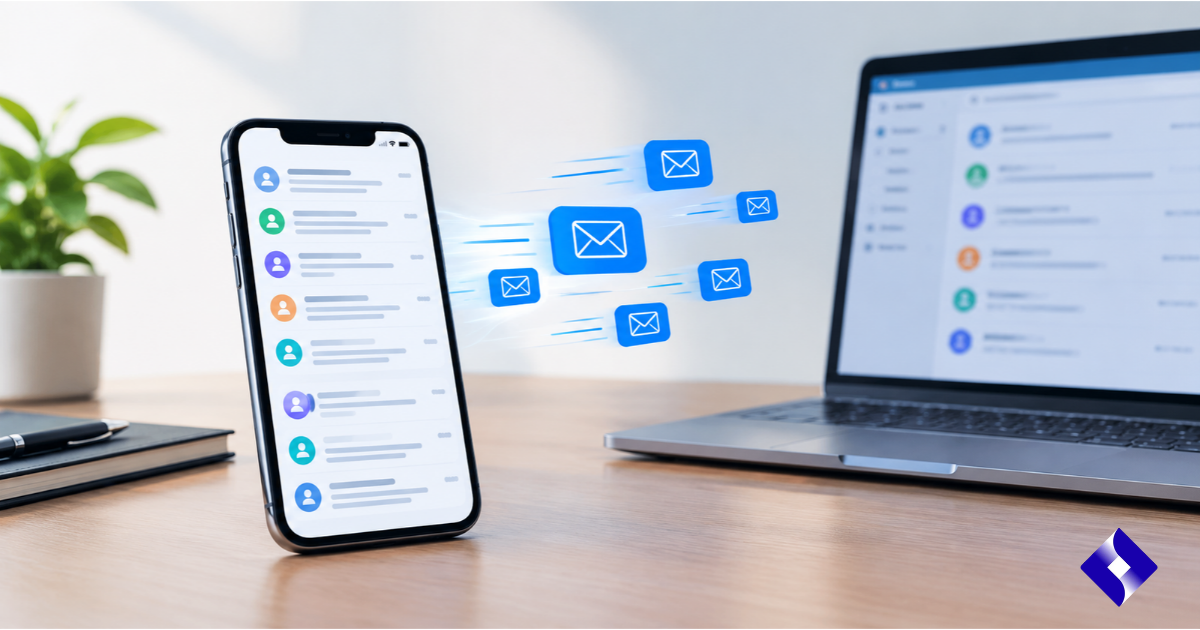
An SMS blaster is a device or system designed to transmit text messages to multiple mobile phones, often within a particular geographical area. The term can refer to different technologies, including bulk messaging equipment, specialized cellular broadcasting systems, and devices that imitate mobile network infrastructure.
Although the technology may be discussed in the context of emergency alerts and mass communication, some SMS blasters are associated with unauthorized advertising, fraudulent messages, and mobile network security threats. Understanding how these systems operate is important for businesses, mobile users, and organizations responsible for communications security.
In this guide, we explain what an SMS blaster is, how it differs from conventional bulk SMS services, its main features, potential benefits, limitations, and the precautions users should understand before interacting with related services.
Table of Contents
- What Is an SMS Blaster?
- How Does an SMS Blaster Work?
- Key Features of an SMS Blaster
- Common Uses of SMS Blasting Technology
- Benefits of SMS Blasters
- Risks and Limitations
- SMS Blaster vs. Bulk SMS Service
- Legal and Security Considerations
- How to Protect Yourself From Suspicious SMS Messages
- Frequently Asked Questions
- Conclusion
- Key Takeaways
What Is an SMS Blaster?
An SMS blaster is a device or communication system intended to deliver text messages to multiple mobile phones. Depending on the technology, it may use cellular network equipment, specialized radio transmission capabilities, or software connected to an authorized messaging service.
The term does not describe one standardized product. Some people use it loosely to refer to bulk SMS platforms, while cybersecurity discussions often use it for equipment that imitates a legitimate mobile base station to attract nearby phones.
These systems should not be treated as interchangeable. An authorized bulk messaging service sends messages through approved telecommunications infrastructure, whereas an unauthorized cellular impersonation device may interfere with normal network security and expose users to misleading messages.
How Does an SMS Blaster Work?
The operating method depends on the type of system being discussed. Conventional messaging platforms and cellular impersonation devices use fundamentally different approaches.
1. Conventional Bulk SMS Systems
A legitimate bulk SMS service connects an organization to a messaging provider or telecommunications network. The organization uploads or integrates an authorized contact list, prepares a message, and submits it for delivery.
The provider then routes the messages through supported telecommunications infrastructure. Delivery reports may show whether a message was accepted, delivered, or failed, depending on the provider’s capabilities.
2. Cellular Impersonation Devices
Some devices described as SMS blasters imitate aspects of a mobile base station. A nearby phone may interact with the device under certain conditions, potentially allowing an attacker to transmit deceptive messages or attempt to influence the phone’s network connection.
These attacks depend on the device, cellular technology, network configuration, and handset behavior. Not every device can reach every phone, and message delivery is not guaranteed.
The key concern is that unauthorized equipment may exploit weaknesses in older cellular technologies or network selection behavior. Such activity can create risks involving phishing, privacy, and telecommunications interference.
Key Features of an SMS Blaster
The features of an SMS blaster depend on whether it is a legitimate messaging platform or a device that imitates cellular infrastructure. Understanding these differences helps readers evaluate the technology accurately.
| Feature | Description |
| Mass message delivery | Can be designed to send messages to multiple mobile devices, depending on the system. |
| Geographic reach | Cellular impersonation devices generally affect phones within radio range rather than a worldwide contact list. |
| Message customization | Conventional platforms may support personalized messages, templates, and scheduled campaigns. |
| Delivery reporting | Authorized messaging services may provide delivery status, campaign statistics, and failure reports. |
| Network interaction | Rogue cellular devices attempt to influence how nearby phones connect to mobile networks. |
| Security exposure | Unauthorized devices can be used for phishing, sender impersonation, and other fraudulent activities. |
These features are not available in every product. For example, campaign scheduling and customer contact management are common software capabilities, not universal characteristics of a cellular impersonation device.
Common Uses of SMS Blasting Technology
SMS broadcasting can serve legitimate communication needs, but the purpose and method of transmission matter.
Business Notifications and Marketing
Businesses can use authorized bulk SMS services to share appointment reminders, delivery updates, service notifications, and promotional messages with customers who have agreed to receive them. These services provide a practical way to communicate without requiring recipients to install a dedicated application.
Emergency and Public Information
Public agencies and service providers may use approved messaging systems to distribute urgent notices, safety instructions, and important service updates. Depending on the situation, these systems may operate alongside dedicated public warning systems, websites, and other communication channels.
Cybersecurity Research
Security professionals study false base stations and SMS blasters to understand mobile network weaknesses, test defensive measures, and improve detection capabilities. Such work should take place in authorized, controlled environments and follow applicable radio and telecommunications regulations.
Fraudulent Messaging
Criminals may use rogue cellular equipment to distribute deceptive messages that imitate banks, delivery companies, government agencies, or other trusted organizations. These messages can encourage recipients to visit fake websites, disclose credentials, or make unauthorized payments.
Benefits of SMS Blasters
The potential benefits depend on the technology being used. It is important to distinguish the advantages of legitimate mass messaging from the capabilities of unauthorized cellular equipment.
| Potential benefit | Explanation |
| Rapid communication | Authorized bulk SMS platforms can distribute important information to many recipients quickly. |
| Broad accessibility | Text messages can reach many basic and modern mobile phones without requiring a separate messaging app. |
| Operational efficiency | Automated messaging can reduce the manual effort involved in sending reminders and routine updates. |
| Useful delivery records | Business messaging platforms may provide status reports that help organizations monitor campaigns. |
| Research opportunities | Controlled testing of cellular security can help researchers identify weaknesses and improve network protection. |
However, these benefits do not make every SMS blaster safe or appropriate to use. Unauthorized transmission can expose mobile users to fraud and create interference with telecommunications services.
Pros and Cons of SMS Blasting Technology
| Pros | Cons |
| Can support rapid communication at scale | Rogue devices may bypass normal carrier messaging protections |
| Useful for authorized alerts and notifications | Fraudulent messages can impersonate trusted organizations |
| Can reduce repetitive communication tasks | Unauthorized operation may violate telecommunications laws |
| May support reporting and campaign analysis through legitimate services | Cellular impersonation can create privacy and network security risks |
| Can assist controlled security research | Effectiveness varies by network, device, and technical conditions |
Overall, authorized bulk SMS software is a practical communication tool. A rogue SMS blaster, by contrast, introduces security, privacy, and legal concerns that can outweigh any claimed operational advantages.
SMS Blaster vs. Bulk SMS Service
Although the terms are sometimes used interchangeably online, an SMS blaster and a legitimate bulk SMS service are not necessarily the same thing.
| Comparison | Authorized bulk SMS service | Rogue SMS blaster |
| Primary purpose | Business notifications, alerts, and approved messaging | Often associated with unauthorized or deceptive messaging |
| Delivery method | Uses a provider’s approved messaging infrastructure | May imitate cellular network equipment |
| Recipient selection | Usually uses an authorized contact list or configured audience | May target phones within the device’s radio coverage |
| Carrier protections | Operates through supported provider systems and applicable controls | May attempt to bypass normal carrier filtering |
| Reporting | May offer delivery receipts and campaign analytics | May not provide reliable or legitimate delivery reporting |
| Main concerns | Consent, data handling, and compliance | Phishing, privacy, interference, and regulatory violations |
The Canadian Centre for Cyber Security explains that malicious SMS blasters can impersonate cellular networks and exploit weaknesses in older 2G technology to send deceptive texts.
If your goal is to contact customers, an authorized bulk SMS provider is generally the more appropriate option. It offers a legitimate messaging workflow without requiring you to operate equipment that impersonates a mobile network.
Legal and Security Considerations
The legality of an SMS blaster depends on its technical operation, intended use, authorization, and the laws of the country where it is deployed. In particular, equipment that transmits cellular signals or impersonates a base station may be subject to strict telecommunications rules.
Organizations should verify licensing requirements, obtain appropriate authorization, respect consent and privacy obligations, and use approved communication providers. Rules governing commercial messages and radio transmission vary by jurisdiction, so legal requirements should be checked with the relevant telecommunications regulator.
For example, the UK’s Ofcom regulates telecommunications and radio spectrum use. Businesses should consult its guidance and any other applicable rules before deploying radio transmission equipment.
Security is another important consideration. Messages delivered through a rogue base station may appear to come from a familiar sender, meaning a recognizable sender name or number is not sufficient proof of authenticity.
How to Protect Yourself From Suspicious SMS Messages
Mobile users can reduce their exposure to SMS blaster attacks by combining sensible messaging habits with available device security settings. No single precaution guarantees complete protection, but several measures can significantly reduce risk.
| Security measure | How it helps |
| Avoid suspicious links | Reduces the risk of visiting phishing websites or downloading malicious files. |
| Verify the sender independently | Contact the bank, delivery company, or government agency through its official website or published phone number. |
| Disable 2G where supported | Can reduce exposure to attacks that depend on older 2G network weaknesses. |
| Keep your phone updated | Helps ensure that available security fixes and network protections are installed. |
| Use stronger authentication | Passkeys and hardware security keys can provide better protection against phishing than SMS verification codes. |
| Report suspicious messages | Helps your mobile operator or relevant cybersecurity authority investigate potential scams. |
These recommendations align with guidance from the Canadian Centre for Cyber Security.
What Should You Do if You Receive a Suspicious Message?
Do not click the link, reply to the sender, or provide passwords, verification codes, or payment information. Verify the claim independently using the organization’s official contact details.
If you have already shared financial information, contact your bank promptly and follow its instructions for securing your account. Report the message to your mobile operator and the appropriate local cybercrime authority.
A temporary change in signal strength or a switch between network generations does not, by itself, prove that an SMS blaster is nearby. If you suspect a targeted attack, record the message and its approximate time and location, then share those details with your operator or relevant authority.
Frequently Asked Questions
1. What is an SMS blaster used for?
An SMS blaster is a system associated with sending text messages to multiple mobile devices. While the term can be used loosely for mass messaging, it commonly refers in cybersecurity to a device that imitates a cellular base station and may be used to distribute fraudulent texts.
2. Are SMS blasters legal?
Their legality depends on the equipment, authorization, intended use, and local telecommunications laws. Unauthorized radio transmissions or cellular network impersonation may violate applicable regulations, so users should consult the relevant regulator before operating such equipment.
3. Can an SMS blaster send messages without phone numbers?
Some rogue cellular devices can send messages to nearby phones without requiring the attackers to possess a conventional list of recipients’ phone numbers. This is possible because the attack exploits interactions between phones and an impersonated cellular network.
4. Can an SMS blaster steal personal information?
An SMS blaster can facilitate phishing attacks and may expose certain device or subscriber information, depending on the technology and network conditions. Victims can lose personal information or account credentials if they respond to deceptive messages or visit fraudulent websites.
5. How far can an SMS blaster reach?
Its range depends on the equipment, antenna, radio conditions, transmission power, and surrounding environment. There is no universal coverage distance, and claims about a fixed range should be treated cautiously.
6. How can I tell if a text message came from an SMS blaster?
There is no reliable visual indicator that identifies every message sent through an SMS blaster. Unexpected payment demands, suspicious links, unusual network behavior, and reports of similar messages in the same area may be warning signs, but none independently confirms an attack.
7. Is an SMS blaster the same as a bulk SMS gateway?
No. A bulk SMS gateway sends messages through a messaging provider or authorized telecommunications infrastructure. A rogue SMS blaster typically refers to equipment that imitates a cellular network, potentially bypassing ordinary carrier protections.
8. How can businesses send bulk SMS messages safely?
Businesses should choose a reputable messaging provider, use appropriate consent-based contact lists, protect customer information, and follow applicable privacy and telecommunications rules. They should also provide clear sender identification and respect recipients’ opt-out preferences where required.
Conclusion
An SMS blaster is a term worth understanding because it sits at the intersection of mobile communications, mass messaging, and cybersecurity. Although legitimate bulk SMS services help organizations communicate efficiently, rogue cellular devices can exploit weaknesses in mobile networks to distribute deceptive messages and expose users to fraud.
The most important distinction is between authorized messaging systems and equipment that impersonates a mobile network. Businesses should use compliant messaging providers, while mobile users should verify unexpected messages, avoid suspicious links, maintain updated devices, and use stronger authentication methods whenever possible.
Understanding these differences makes it easier to assess SMS blaster claims, recognize potential threats, and make informed decisions about mobile communication security.
Key Takeaways
| Key point | What to remember |
| Definition | An SMS blaster may refer to mass messaging technology or, more specifically, a rogue cellular base station. |
| Operation | Some malicious devices exploit weaknesses in older cellular networks to deliver deceptive texts. |
| Legitimate alternative | Authorized bulk SMS platforms are more appropriate for business alerts and customer communication. |
| Main risks | Phishing, financial fraud, privacy exposure, and possible mobile service disruption. |
| Personal protection | Verify messages independently, avoid suspicious links, update your phone, and disable 2G if supported and appropriate. |
| Legal compliance | Check applicable telecommunications rules before using specialized radio or cellular equipment. |