

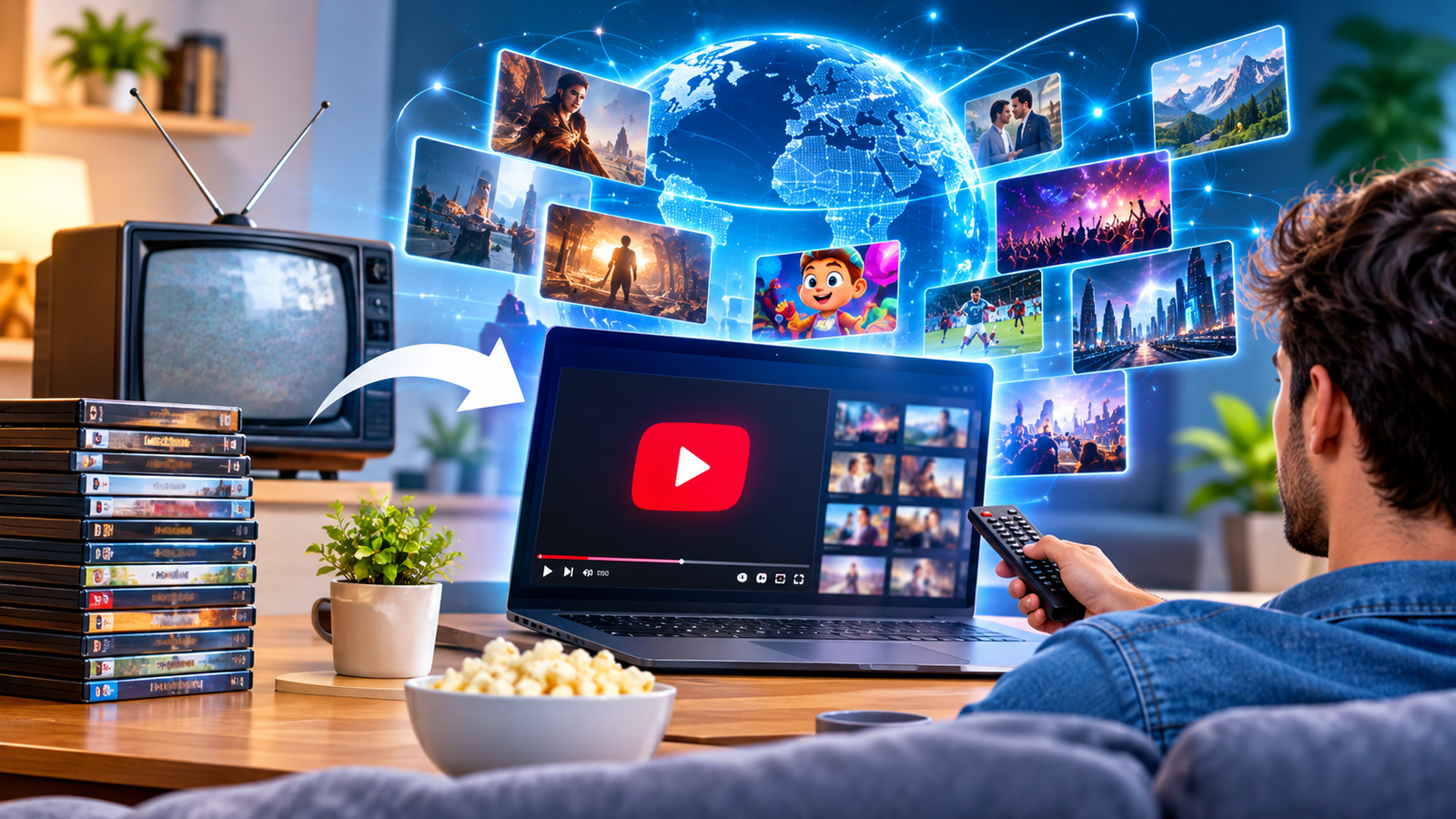

Digital technology has fundamentally changed how people discover, access, and consume entertainment. Traditional television schedules, physical media collections, and conventional broadcasting models have gradually given way to more flexible digital experiences. Today, audiences expect content to be accessible across multiple devices, available on demand, and easy to discover. This transformation reflects broader changes in consumer behaviour, technological development, and the global media industry. Within this evolving environment, Crackstube can be considered in the wider context of changing online content consumption habits and the growing influence of digital entertainment platforms.
How Digital Technology Has Changed Content Consumption
For many years, television, cinema, radio, and physical media were the primary ways people experienced entertainment. Access to content often depended on broadcasting schedules, geographical availability, or purchasing individual physical formats. Although these traditional channels remain relevant, internet connectivity has introduced new possibilities for content distribution.
Digital platforms allow audiences to explore different types of content without depending entirely on conventional broadcasting systems. Smartphones, laptops, tablets, and smart televisions have made entertainment more accessible across different environments. People can discover information, watch videos, follow creators, and explore entertainment categories whenever it suits their schedules.
This development has also changed audience expectations. Convenience, accessibility, content variety, and personalized discovery have become important factors influencing digital media consumption.
Understanding Crackstube in the Digital Entertainment Landscape
Crackstube is a keyword that can be examined within the broader discussion of online entertainment, digital content discovery, and internet-based media consumption. Its relevance reflects how audiences increasingly use specific platform names and search terms when looking for online content and entertainment-related information.
However, understanding any digital platform requires looking beyond its name. Users should consider the nature of the content available, the platform’s ownership, its privacy practices, security standards, and whether it provides appropriate authorization for distributing copyrighted material.
These considerations are particularly important because the internet contains a mixture of established streaming services, independent publishing platforms, content-sharing websites, and unauthorized distribution sources. Not every website offering online entertainment operates under the same standards or legal framework.
The Growing Importance of On-Demand Entertainment
One of the most significant developments in digital media has been the growth of on-demand entertainment. Instead of following fixed television schedules, audiences increasingly prefer deciding what to watch and when to watch it.
On-demand access gives viewers greater control over their entertainment routines. They can explore documentaries, educational videos, films, interviews, tutorials, and other digital formats according to their interests.
This flexibility has also influenced content creators and media companies. Publishers increasingly develop content for audiences who prefer shorter viewing sessions, mobile-friendly experiences, and easily accessible information.
The growing interest in Crackstube and similar search terms can be understood against this wider shift toward internet-based entertainment discovery.
How Mobile Devices Are Influencing Digital Media Habits
Smartphones have become one of the most influential devices in modern content consumption. Improvements in mobile processors, display technology, battery performance, and internet connectivity have made mobile entertainment more convenient than ever.
People now consume digital content while travelling, during breaks, at home, and in other everyday situations. This has encouraged publishers and entertainment platforms to prioritize responsive website designs, faster loading speeds, and interfaces that work effectively on smaller screens.
Mobile accessibility also influences how users interact with content. Clear navigation, readable text, intuitive controls, and efficient search functionality can significantly improve the overall experience.
For digital platforms, providing a consistent experience across smartphones, tablets, and desktop computers is increasingly important.
Content Discovery and the Role of Search Engines
The availability of digital content has expanded considerably, making content discovery an important part of the online entertainment experience. Search engines, recommendation systems, social media platforms, and online communities help users identify relevant information and entertainment.
Search engines allow people to explore specific topics, compare platforms, and find information about unfamiliar websites. Meanwhile, recommendation algorithms analyze different signals to suggest content that may match individual interests.
However, personalized recommendations also introduce challenges. Users may encounter repetitive content, limited perspectives, or recommendations that do not accurately reflect their preferences.
A balanced content discovery experience should combine personalized suggestions with transparent search functionality and meaningful content categorization.
Digital Privacy and Online Security Considerations
As online entertainment becomes increasingly integrated into everyday life, digital privacy and security deserve greater attention. Users may overlook potential risks when accessing unfamiliar websites, particularly those offering free content or requiring unnecessary permissions.
Websites can use cookies, analytics technologies, and other tracking mechanisms to collect information about visitor interactions. Some websites may also display intrusive advertisements, redirect visitors to unrelated pages, or request permissions that are unnecessary for their core functionality.
Before using an unfamiliar platform, visitors should examine its privacy policy, check whether the connection is secure, and avoid downloading unknown files or sharing unnecessary personal information.
Using updated browsers, reliable security software, and strong privacy settings can further reduce common online security risks.
Copyright and Responsible Digital Content Consumption
Copyright protection is another important consideration in the digital entertainment industry. Videos, films, music, photographs, and other creative works are generally protected by intellectual property laws, although the specific rules vary between jurisdictions.
Content creators, production companies, distributors, and streaming services invest significant resources in developing and distributing entertainment. Unauthorized redistribution can affect their commercial interests and undermine the sustainability of creative industries.
Responsible digital consumption means choosing platforms that have appropriate distribution rights and respecting the intellectual property of creators. Users should also understand that content being freely accessible online does not automatically mean it is legally available for redistribution or public viewing.
This distinction helps audiences make better decisions when exploring unfamiliar entertainment websites.
What the Future Holds for Digital Content Consumption
The future of digital entertainment will likely be influenced by developments in artificial intelligence, faster connectivity, cloud infrastructure, and improvements in content recommendation technologies.
Artificial intelligence is already changing how digital platforms organize content, generate recommendations, moderate user submissions, and understand audience preferences. More advanced recommendation systems may make content discovery increasingly personalized.
Cloud infrastructure is also improving the delivery of digital media by supporting scalable storage, distribution, and streaming services. Meanwhile, improvements in network technology are helping users access higher-quality video with fewer interruptions.
Another important development is the growing emphasis on transparency and digital trust. Audiences are becoming more conscious of privacy, copyright, advertising practices, and the reliability of online platforms.
These factors will influence which digital entertainment services attract long-term audiences.
Conclusion
The transformation of digital content consumption is about much more than changing the way people watch videos. It represents a broader shift in technology, consumer expectations, content distribution, and online communication. Crackstube, as a search term within the digital entertainment landscape, provides an opportunity to examine these developments and understand the wider environment in which online content platforms operate.
As digital media continues to evolve, accessibility, convenience, security, privacy, and responsible content distribution will remain essential considerations. For audiences and digital publishers alike, understanding these factors is important for navigating an increasingly connected entertainment ecosystem.