


Introduction
Modern vehicles are evolving beyond basic transportation systems. Customers now expect enhanced comfort, premium interiors, smart features, and smooth automation in every part of the vehicle, including the sunroof system. Behind the simple operation of opening or closing a sunshade is a complex combination of mechanical design, electronics, sensors, and control technology.
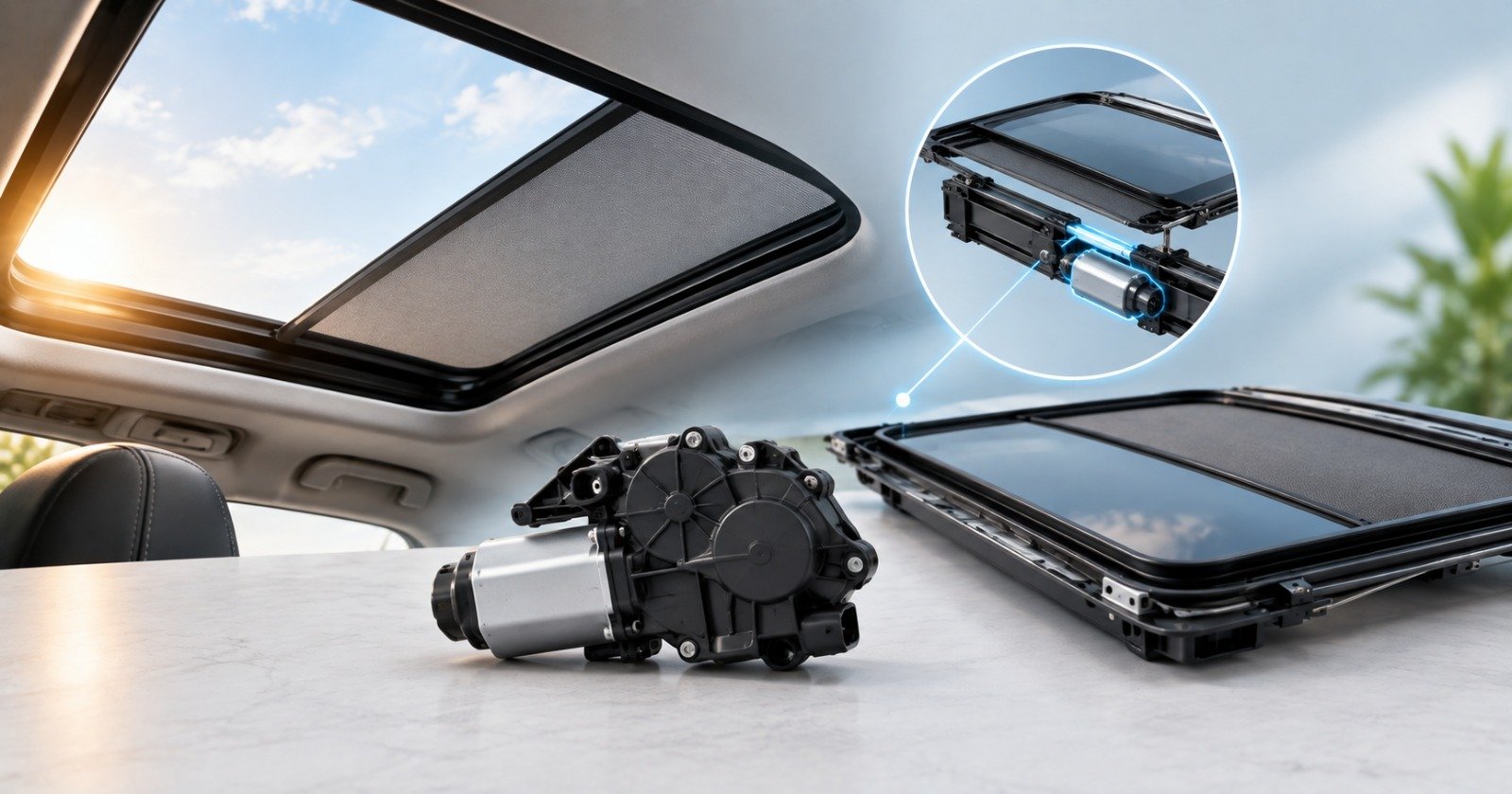
Automotive sunroof sunshade motor integration technology plays an important role in creating efficient, reliable, and user-friendly sunroof systems. It combines electric motors, control modules, mechanical components, and intelligent software to provide smooth sunshade movement while improving passenger comfort and overall vehicle experience.
For vehicle manufacturers, understanding this technology is essential because sunroof systems are becoming more advanced with features such as automatic control, anti-pinch protection, noise reduction, and integration with vehicle electronics.
This guide explains how automotive sunroof sunshade motor integration technology works, its major components, benefits, challenges, and its future role in next-generation vehicle design.
Table of Contents
- What Is Automotive Sunroof Sunshade Motor Integration Technology?
- How Does an Integrated Sunroof Sunshade Motor System Work?
- Key Components of Sunroof Sunshade Motor Integration Technology
- Types of Automotive Sunroof Sunshade Systems
- Key Features of Modern Sunroof Motor Integration Systems
- Benefits for Vehicle Manufacturers and End Users
- Engineering Challenges in Sunroof Sunshade Motor Integration
- Future Trends in Automotive Sunroof Technology
- Pros and Cons of Integrated Sunshade Motor Systems
- Frequently Asked Questions
- Conclusion
- Key Takeaways
What Is Automotive Sunroof Sunshade Motor Integration Technology?
Automotive sunroof sunshade motor integration technology refers to the design approach where the electric motor system responsible for controlling the sunshade is integrated with the vehicle’s sunroof mechanism and electronic control architecture.
Traditional sunroof systems often relied on separate mechanical operations, requiring more components and creating limitations in automation. Modern integrated systems combine compact motors, electronic controllers, sensors, and software algorithms to achieve precise movement and improved reliability.
The technology allows vehicle occupants to control the sunshade through physical switches, touchscreen interfaces, voice commands, or automated vehicle settings depending on the vehicle architecture.
For manufacturers, this integration helps reduce system complexity while supporting advanced vehicle features expected in premium and electric vehicles.
How Does an Integrated Sunroof Sunshade Motor System Work?
Motor-Based Movement Control
The electric motor is the core component responsible for moving the sunshade. When a user activates the sunshade control, the vehicle control unit sends an electrical signal to the motor.
The motor converts electrical energy into mechanical movement, allowing the sunshade panel or fabric assembly to slide along predefined tracks.
Electronic Control and Feedback
Modern systems use control modules to manage motor operation. These modules regulate speed, position, and movement accuracy.
Sensors provide feedback about the sunshade position, helping the system stop at the correct point and prevent unnecessary motor stress.
Safety Monitoring
Many advanced systems include anti-pinch technology. This feature detects resistance during movement and automatically stops or reverses the sunshade to reduce the risk of injury or component damage.
Key Components of Automotive Sunroof Sunshade Motor Integration Technology
1. Electric Motor Assembly
The motor provides the power required for sunshade operation. Automotive-grade motors are designed to handle repeated cycles while maintaining low noise and consistent performance.
Compact motor designs are especially important because vehicle manufacturers must optimize interior space and reduce overall system weight.
2. Electronic Control Unit (ECU)
The ECU acts as the control center of the system. It processes commands from switches, vehicle networks, and sensors to control motor movement.
Modern vehicle architectures often connect sunroof systems with broader body control modules for improved automation.
3. Position Sensors
Position sensors help determine the exact location of the sunshade. They allow smooth stopping points and support automated opening and closing functions.
Accurate position feedback also improves system durability by preventing unnecessary mechanical stress.
4. Mechanical Drive System
The mechanical assembly includes gears, cables, rails, and supporting structures that transfer motor power into physical movement.
The design must balance strength, smooth operation, weight reduction, and manufacturing efficiency.
5. Vehicle Communication Interface
Advanced sunroof systems can communicate with the vehicle network through technologies such as CAN communication systems.
This enables integration with other vehicle functions, including climate control, interior lighting, and user preference settings.
Types of Automotive Sunroof Sunshade Systems
Manual Sunshade Systems
Manual systems require passengers to physically open or close the sunshade. They are simple and cost-effective but offer limited convenience.
These systems are commonly found in entry-level vehicles.
Electric Sunshade Systems
Electric sunshade systems use motors for automated operation. They provide improved convenience and are widely used in mid-range and premium vehicles.
Integrated Smart Sunshade Systems
Smart systems combine motors, sensors, and software controls. They can automatically adjust based on user preferences, sunlight conditions, or vehicle operating modes.
These systems are increasingly common in advanced vehicle platforms.
Key Features of Modern Sunroof Sunshade Motor Integration Systems
Smooth and Quiet Operation
Noise reduction is a major focus in modern automotive design. Improved motor technology, precision gears, and optimized mechanical structures help reduce operating sounds.
A quieter sunshade system contributes to a more comfortable cabin environment.
Compact Design
Vehicle manufacturers continuously work toward reducing component size and weight. Integrated motor solutions help save space while maintaining performance.
This is particularly important for electric vehicles where efficiency and packaging are critical.
Automatic Control Functions
Advanced systems may support automatic opening and closing based on user settings or vehicle conditions.
Automation improves convenience and creates a more premium driving experience.
Anti-Pinch Safety Technology
Safety sensors detect unexpected resistance during operation. If an obstruction is detected, the system can stop or reverse movement.
This feature improves passenger safety and system reliability.
Improved Durability
Automotive components must withstand temperature changes, vibration, and repeated operation.
Integrated motor systems are designed to meet demanding automotive durability requirements.
Benefits of Automotive Sunroof Sunshade Motor Integration Technology
Benefits for Vehicle Manufacturers
Improved Vehicle Differentiation
Advanced sunroof systems help manufacturers create premium interior experiences and differentiate their vehicle models.
Simplified System Design
Integration reduces the number of separate components required, helping manufacturers optimize assembly processes.
Better Electronic Integration
Modern systems can connect with vehicle software platforms, supporting smart cabin technologies.
Enhanced Reliability
Precise motor control and sensor feedback help reduce mechanical failures and improve long-term performance.
Benefits for Vehicle Users
Greater Comfort
Passengers can easily control sunlight exposure and cabin brightness.
Better Interior Experience
Automated sunshade systems contribute to a more refined and premium vehicle environment.
Improved Convenience
Users can operate the system with minimal effort through switches or digital interfaces.
Engineering Challenges in Sunroof Sunshade Motor Integration
Space Limitations
Vehicle roofs have limited installation space. Engineers must design compact systems without compromising performance.
Noise and Vibration Control
Motors and mechanical components can create unwanted noise. Manufacturers need advanced designs to maintain a quiet cabin.
Weight Management
Additional electronic and mechanical components increase vehicle weight. Lightweight materials and efficient designs are necessary.
Cost Optimization
Advanced technology must balance performance with manufacturing costs, especially for high-volume vehicle production.
Environmental Durability
Sunroof systems must operate reliably under different conditions, including extreme temperatures, humidity, dust, and vibration.
Future Trends in Automotive Sunroof Technology
Smart Vehicle Integration
Future sunroof systems are expected to become more connected with vehicle software platforms, enabling personalized comfort settings.
AI-Based Comfort Adjustment
Artificial intelligence and sensor technology may allow vehicles to automatically adjust sunshade positions based on sunlight intensity, temperature, and passenger preferences.
Lightweight Materials
The use of advanced materials will help reduce system weight while maintaining structural strength.
Electric Vehicle Applications
As electric vehicles continue to grow, manufacturers are focusing on efficient and compact components. Integrated sunroof technologies align with these requirements.
Pros and Cons of Integrated Sunshade Motor Systems
| Pros | Cons |
| Improved passenger convenience | Higher manufacturing cost |
| Smooth automated operation | More complex electronics |
| Better integration with vehicle systems | Requires advanced maintenance |
| Enhanced premium vehicle experience | Additional design challenges |
| Improved safety features | Increased development complexity |
Frequently Asked Questions
- How does sunroof technology work?
A sunroof uses a motorized glass panel and mechanical tracks to open, tilt, or slide, allowing sunlight and fresh air into the vehicle. Advanced systems may include sensors, automatic controls, and safety features. - Which cars have integrated sunshades?
Many premium and modern vehicles, including SUVs and luxury cars, offer integrated sunshades to reduce heat, glare, and UV exposure. These are commonly available with panoramic sunroof systems. - What are the main components of a sunroof system?
A sunroof system includes a glass panel, frame, motor, rails, drainage channels, seals, and control switches. These components work together to provide smooth operation and prevent water leakage. - What is a sunroof in a car?
A sunroof is a movable or fixed glass panel installed on a car’s roof that allows natural light and ventilation inside the cabin. It enhances the driving experience by creating a more open and spacious feel. - Which type of sunroof is best?
The best sunroof depends on vehicle needs, but panoramic sunroofs are popular for offering a larger viewing area, while electric sliding sunroofs provide better control and convenience. - Does sunroof affect AC?
A sunroof can slightly increase cabin heat when exposed to direct sunlight, but modern vehicles use insulated glass, sunshades, and efficient AC systems to maintain comfortable temperatures.
Also Read: Difference Between Convergence and Hyperconvergence in regards to Cybersecurity
Conclusion
Automotive sunroof sunshade motor integration technology represents an important advancement in modern vehicle interior systems. By combining motors, electronics, sensors, and intelligent controls, manufacturers can deliver smoother, safer, and more convenient sunroof experiences.
As vehicles become increasingly connected and automated, integrated sunshade systems will continue to evolve. Vehicle manufacturers that understand these technologies can create more comfortable interiors while meeting changing customer expectations for smart automotive features.
Key Takeaways
- Automotive sunroof sunshade motor integration technology combines mechanical, electrical, and software systems for automated sunshade control.
- Electric motors, ECUs, sensors, and communication systems are the foundation of modern sunshade solutions.
- Integrated systems improve comfort, safety, reliability, and vehicle interior quality.
- Manufacturers must overcome challenges related to cost, weight, noise, and durability.
- Future sunroof technologies will focus on smarter automation, connectivity, and lightweight designs.