


Introduction:
For many years, figurines were mainly used as decorative pieces that represented characters, art styles, hobbies, or personal interests. They were placed on shelves, desks, and display cabinets simply to add personality to a space.
However, technology has changed the way we look at collectibles. Today, a figurine robot combines traditional artistic design with modern robotics, electronics, and smart features. These innovative creations are not just static objects; many can move, respond, light up, produce sounds, and interact with users.
The growing popularity of robotic figurines shows how creativity and technology can come together to create something more engaging than a simple decoration.
What Is a Figurine Robot?
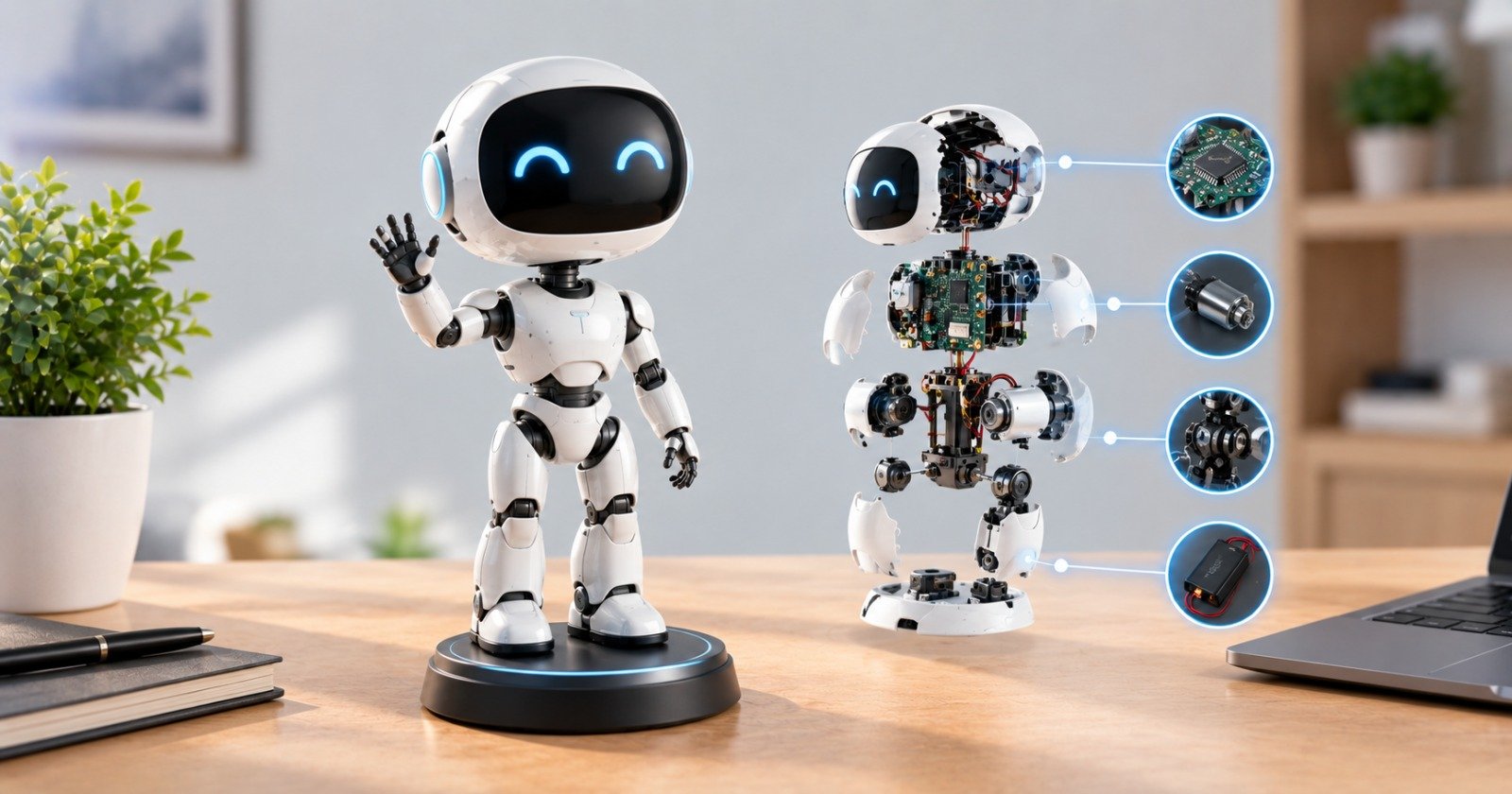
A figurine robot is a small robotic figure designed to look like a character, creature, machine, or artistic model while including electronic or mechanical components that allow it to perform certain actions.
Unlike traditional figurines that remain completely still, robotic figurines may include features such as movement, voice interaction, sensors, lighting effects, and programmable functions.
These products are popular among collectors, technology enthusiasts, hobbyists, and people looking for unique home or workspace items.
| Traditional Figurine | Figurine Robot |
| Mainly used for decoration | Combines decoration with technology |
| No moving parts | May include motors and mechanical movement |
| Static display item | Can interact or respond |
| Focuses mainly on appearance | Includes design, electronics, and functionality |
How Do Figurine Robots Work?
The working process of a figurine robot involves several small but important technologies working together. Although designs differ between models, most robotic figurines use a combination of mechanical parts, sensors, software, and electronic systems.
1. Microcontrollers: The Brain Behind the Robot
At the center of most figurine robots is a small electronic controller called a microcontroller.
This component works like the brain of the robot. It receives information from sensors, processes commands, and controls different actions such as movement, lighting, or sound.
For example, when a user activates a figurine robot, the microcontroller determines what action should happen next based on the programmed instructions.
| Component | Function |
| Microcontroller | Processes commands and controls actions |
| Memory system | Stores programmed movements and responses |
| Circuit board | Connects electronic components together |
2. Motors Create Movement
One of the biggest differences between a normal figurine and a robotic figurine is movement.
Small motors allow different parts of the figure to move. Depending on the design, these motors may control:
| Movement Type | Example |
| Head movement | Turning or nodding |
| Arm movement | Waving or posing |
| Facial movement | Changing expressions |
| Body movement | Rotating or walking actions |
Tiny motors need to be carefully designed because figurine robots require precise movement while maintaining a compact size.
3. Sensors Help Figurine Robots Respond
Modern robotic figurines often include sensors that allow them to understand their surroundings.
Sensors collect information and send it to the internal controller, which decides how the robot should respond.
Common sensors include:
| Sensor Type | Purpose |
| Touch sensors | Detect physical interaction |
| Motion sensors | Identify movement nearby |
| Sound sensors | Respond to voice or noise |
| Light sensors | Adjust behavior based on lighting conditions |
These features make robotic figurines feel more interactive compared to traditional collectibles.
4. Software Controls the Experience
Hardware provides the physical ability to move, but software gives the robot instructions.
Manufacturers program figurine robots with specific behaviors, animations, and responses. More advanced models may allow customization through mobile applications or computer software.
Software can control:
| Software Function | Purpose |
| Movement patterns | Creates realistic actions |
| Voice responses | Enables communication |
| Light effects | Controls LED animations |
| Updates | Adds new features or improvements |
What Makes Figurine Robots More Than Decorative Items?
A figurine robot is not only about appearance. The combination of art and technology gives these products additional value.
1. They Provide Interactive Experiences
Traditional collectibles are appreciated mainly for their visual appeal. Robotic figurines create a more engaging experience because users can interact with them.
A figurine robot may respond to touch, react to sounds, or perform programmed movements, creating a connection between the object and the owner.
2. They Combine Art and Engineering
Creating a robotic figurine requires multiple areas of expertise, including:
| Field | Contribution |
| Industrial design | Creates the physical appearance |
| Robotics engineering | Develops movement systems |
| Electronics | Powers internal components |
| Software development | Creates intelligent behavior |
This combination makes robotic figurines a unique example of creative engineering.
3. They Can Become Learning Tools
Many robotic figurines are also used for educational purposes. They can introduce children and beginners to basic concepts of robotics, programming, and technology.
By exploring how these devices work, users can develop curiosity about engineering and innovation.
| Learning Area | What Users Can Understand |
| Robotics | How machines perform actions |
| Programming | How commands control devices |
| Electronics | How components work together |
| Design | How technology meets creativity |
4. They Add Personality to Spaces
A robotic figurine can still serve as a decorative item while offering additional functionality.
Placed on a desk, shelf, or gaming setup, it can reflect personal interests while creating a more dynamic environment.
Many people choose these products because they represent a combination of personality, technology, and creativity.
Common Technologies Used in Figurine Robots
The technology inside a figurine robot depends on its complexity. Some models use simple electronic features, while advanced versions include smart systems.
| Technology | Role in Figurine Robots |
| LED lighting | Creates visual effects |
| Bluetooth connectivity | Enables wireless control |
| Rechargeable batteries | Provides portable power |
| Artificial intelligence features | Improves interaction |
| Motion sensors | Allows environmental response |
| Voice technology | Enables audio interaction |
Why Are Figurine Robots Becoming Popular?
The popularity of robotic figurines is increasing because people are looking for products that offer both emotional and technological value.
Several factors are contributing to this trend:
| Reason | Explanation |
| Personal expression | Owners can display items connected to their interests |
| Technology fascination | People enjoy interactive devices |
| Collecting experience | Adds more value than static models |
| Innovation | Shows how modern engineering transforms everyday objects |
Are Figurine Robots Worth Collecting?
Whether a figurine robot is worth collecting depends on what a person values.
For traditional collectors, appearance and design may be the most important factors. For technology enthusiasts, movement, programming, and interactive features may matter more.
| Collector Type | What They May Appreciate |
| Art collectors | Design and craftsmanship |
| Technology enthusiasts | Robotics features |
| Hobbyists | Customization options |
| Families | Interactive experiences |
A well-designed figurine robot offers a combination of visual appeal and technological innovation, making it different from ordinary collectibles.
The Future of Figurine Robots
As robotics technology continues to improve, figurine robots are expected to become more advanced. Future models may include improved artificial intelligence, better movement, more realistic expressions, and stronger personalization features.
The future of these products may move beyond simple collectibles toward interactive companions, creative tools, and educational devices.
The connection between robotics and artistic design will continue creating new possibilities for how people experience technology in everyday life.
Frequently Asked Questions
1. What is a figurine robot?
A figurine robot is a collectible figure that combines traditional design with robotic technology, allowing features such as movement, sounds, lighting, or interaction.
- Who is the CEO of Figure AI?
The CEO of Figure AI is Brett Adcock, an entrepreneur and founder focused on developing advanced humanoid robots. He leads the company’s mission to create general-purpose AI-powered robotic systems. - How much is Elon Musk’s robot?
Tesla has not announced an official retail price for Elon Musk’s Optimus robot. Early estimates suggest the cost could be in the range of a high-end vehicle, depending on production scale and capabilities. - Can I buy a Figure 3 robot?
Figure 3 is currently being developed and tested for industrial applications, and it is not available for public purchase. Future availability will depend on Figure AI’s commercial rollout plans. - What kind of robot is Figure 01?
Figure 01 is a humanoid robot designed to perform human-like tasks using artificial intelligence. It is built for applications such as manufacturing, logistics, and general-purpose assistance. - Who made Figure AI?
Figure AI was founded by Brett Adcock in 2022 to develop autonomous humanoid robots. The company combines robotics, AI software, and machine learning technologies to create versatile robots. - How much will a Figure AI robot cost?
The exact price of a Figure AI robot has not been officially announced. Costs are expected to decrease over time as production increases and robotic technology becomes more widely adopted.
Final Thoughts
A figurine robot represents the meeting point between creativity and technology. While traditional figurines focus mainly on appearance, robotic versions introduce movement, interaction, and intelligent features.
These innovative creations show that collectibles can become more than display items. They can offer learning opportunities, personal expression, and a unique way to experience modern robotics.
As technology continues developing, figurine robots will likely become even smarter, more interactive, and more connected to everyday life.