

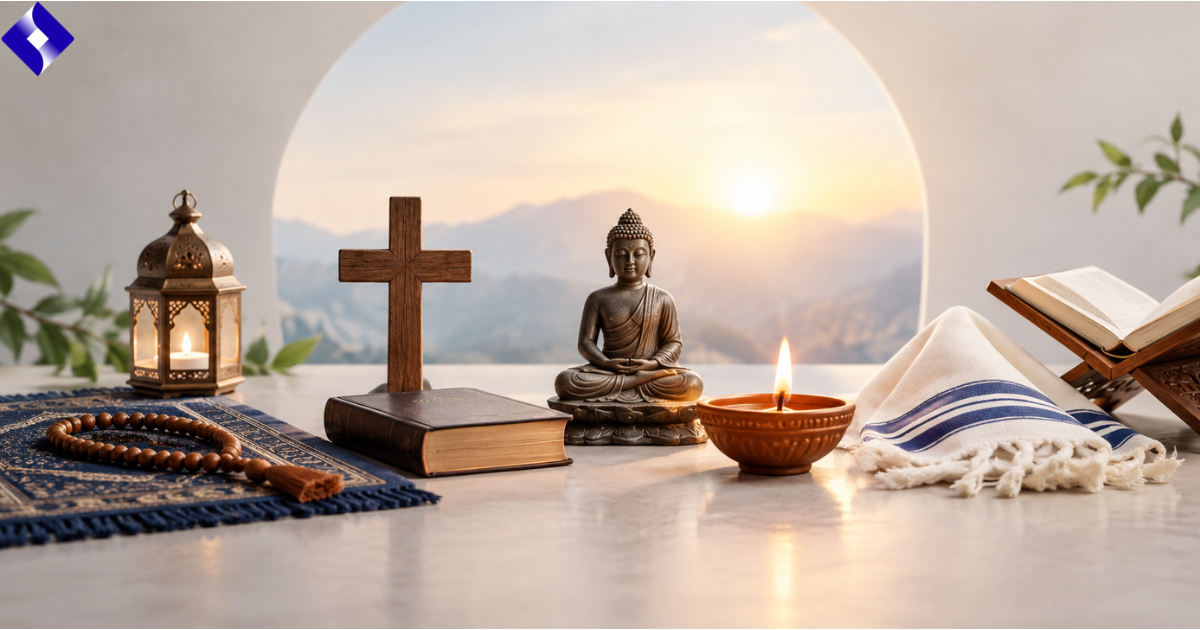

Introduction
Worship is one of the oldest and most meaningful expressions of human spirituality. Across history, people from different cultures and traditions have gathered in temples, churches, mosques, homes, and sacred spaces to express gratitude, seek guidance, and connect with something greater than themselves.
But what does worship really mean?
Many people think worship only refers to religious ceremonies, prayers, or singing spiritual songs. However, the deeper meaning of worship goes beyond specific actions. It represents respect, devotion, love, surrender, and a personal connection with the divine or a higher purpose.
The understanding of worship changes depending on culture, religion, and personal beliefs. For some, worship is expressed through prayer and rituals. For others, it may involve meditation, service, kindness, or living according to spiritual values.
This guide explores the worship meaning from different perspectives and explains how various traditions understand devotion and faith.
Table of Contents
| Section | What You Will Learn |
| What is the meaning of worship? | The basic definition and purpose of worship |
| The deeper meaning behind worship | How worship connects people spiritually |
| Worship in different religious traditions | How various faiths understand devotion |
| Different forms of worship | Ways people express their beliefs |
| Why worship is important | The personal and spiritual impact of worship |
| Common questions about worship | Answers to frequently searched questions |
What Is the Meaning of Worship?
The meaning of worship can be understood as an expression of deep respect, admiration, and devotion toward a divine being, spiritual truth, or something considered sacred.
The word “worship” is often associated with religious practices, but its meaning is broader. It reflects how people show their commitment, gratitude, and reverence.
A simple way to understand worship is:
| Aspect | Meaning |
| Devotion | Showing love and dedication toward what a person considers sacred |
| Respect | Recognizing the value and importance of a higher power or spiritual belief |
| Connection | Building a relationship with the divine through thoughts, actions, and practices |
| Gratitude | Expressing thankfulness for life, blessings, and guidance |
Worship is not only about what happens in a religious building. It can also be reflected through everyday choices, compassion toward others, and living according to personal values.
The Deeper Meaning Behind Worship
At its core, worship is about connection.
For many believers, worship creates a moment where they step away from daily distractions and focus on their relationship with the divine. It can provide comfort during difficult times, encourage gratitude, and create a sense of belonging.
The deeper purpose of worship often includes:
| Purpose | Explanation |
| Spiritual growth | Helps individuals develop faith, wisdom, and inner peace |
| Reflection | Creates time to think about personal actions and beliefs |
| Gratitude | Allows people to recognize the blessings in their lives |
| Community | Brings people together through shared beliefs and practices |
Worship can also influence how people treat others. Many traditions teach that genuine devotion is not only shown through rituals but also through kindness, honesty, and compassion.
How Different Traditions Understand Worship
Different religions and cultures have unique ways of expressing worship. Although practices may look different, many share common themes such as devotion, gratitude, and spiritual connection.
Worship in Christianity
In Christianity, worship is often understood as honoring and praising God. It may include prayer, singing, reading scripture, attending church services, and personal reflection.
Many Christians believe worship is not limited to formal gatherings. Daily actions, helping others, and following spiritual teachings can also be forms of worship.
| Practice | Meaning |
| Prayer | Communicating with God and seeking guidance |
| Worship services | Gathering with others to praise and learn |
| Music and songs | Expressing faith through praise |
| Service to others | Showing love through actions |
Worship in Islam
In Islam, worship is known as ibadah, which refers to devotion and obedience to Allah. Worship includes traditional practices such as prayer, fasting, charity, and remembrance of God.
Islam teaches that worship is not only a set of rituals but also a way of life. Actions performed with sincere intention and goodness can also become acts of worship.
| Practice | Meaning |
| Salah (prayer) | A direct connection between a person and Allah |
| Fasting | A practice of discipline and spiritual awareness |
| Charity | Helping others as an expression of faith |
| Remembrance | Keeping awareness of God in daily life |
Worship in Hindu Traditions
In Hindu traditions, worship is often expressed through puja, meditation, prayer, rituals, and devotion toward different forms of the divine.
Hindu worship can vary greatly depending on personal beliefs, family traditions, and regional customs. Some focus on devotion toward specific deities, while others seek spiritual understanding through meditation and self-awareness.
| Practice | Meaning |
| Puja | Offering prayers and respect to the divine |
| Meditation | Seeking inner awareness and spiritual understanding |
| Mantras | Using sacred sounds for focus and devotion |
| Festivals | Celebrating spiritual stories and traditions |
Worship in Buddhism
Buddhist traditions often focus less on worship of a creator deity and more on spiritual development, awareness, compassion, and understanding.
Practices may include meditation, honoring Buddha’s teachings, mindfulness, and acts of kindness.
| Practice | Purpose |
| Meditation | Developing awareness and inner peace |
| Mindfulness | Understanding thoughts and emotions |
| Respect for teachings | Following principles that encourage wisdom |
| Compassion | Developing kindness toward all living beings |
Different Forms of Worship
Worship can take many forms depending on personal beliefs and traditions.
| Form of Worship | Description |
| Prayer | Communicating with the divine through words or thoughts |
| Meditation | Creating awareness and spiritual focus |
| Music and singing | Expressing devotion through sound and emotion |
| Rituals | Following meaningful spiritual practices |
| Service | Showing faith through helping others |
| Reflection | Understanding beliefs and personal growth |
Some people find worship through community gatherings, while others experience it through quiet personal moments.
Why Is Worship Important?
Worship plays an important role in many people’s spiritual and personal lives. It can provide direction, emotional strength, and a deeper understanding of purpose.
The importance of worship can be seen in several areas:
| Benefit | How It Helps |
| Emotional support | Provides comfort during challenging situations |
| Sense of purpose | Helps people understand their values and beliefs |
| Inner peace | Encourages reflection and calmness |
| Stronger community | Creates connections with people who share similar beliefs |
For many individuals, worship is not simply a religious activity. It becomes a way of approaching life with gratitude, humility, and awareness
Is Worship Only Related to Religion?
Although worship is strongly connected with religion, some people understand worship in a broader way.
A person may use the word worship to describe deep admiration or dedication toward something meaningful in their life. However, in spiritual contexts, worship usually refers to honoring something considered sacred or divine.
The difference depends on the person’s beliefs and cultural understanding.
Frequently Asked Questions
What is the meaning of the word worship?
Worship means showing deep respect, devotion, and admiration toward a divine being, sacred power, or something considered worthy of honor. It is often expressed through prayer, rituals, gratitude, and spiritual practices.
What does worship mean in Islam?
In Islam, worship is known as ibadah, which means devotion and submission to Allah. It includes prayer, fasting, charity, remembrance of Allah, and living according to Islamic values.
What is worshiping someone?
Worshiping someone means showing the highest level of devotion, honor, or reverence toward that person or being. In religious contexts, worship is usually reserved for a divine power rather than ordinary individuals.
What is true worship?
True worship is sincere devotion that comes from genuine faith, respect, and commitment rather than only performing outward rituals. It involves both spiritual connection and actions that reflect one’s beliefs.
What is another word for “worship”?
Some words related to worship include devotion, reverence, adoration, praise, honor, and veneration. The most suitable word depends on the religious or personal context.
What do Muslims call worship?
Muslims call worship ibadah, a term that refers to acts of devotion, obedience, and dedication to Allah. It includes both specific religious practices and daily actions performed with sincere intention.
Why is worship important?
Worship is important because it helps people strengthen their spiritual connection, find meaning, express gratitude, and develop inner peace. It also guides many individuals in living according to their faith and values.
Also Read:What Problems Does Telegai Solve? Exploring Its Real-World Applications
Conclusion
The worship meaning goes far beyond a simple definition. It represents the human desire to connect with something greater, express gratitude, and find deeper purpose.
Different traditions may use different practices, words, and rituals, but many share common ideas of devotion, respect, reflection, and spiritual growth.
Understanding worship from different perspectives helps us appreciate the diversity of human faith and the many ways people search for meaning and connection in life.
Key Takeaways
| Point | Summary |
| Worship is about connection | It represents a relationship with the divine or sacred |
| Practices differ | Every tradition has unique ways of expressing devotion |
| Worship goes beyond rituals | Daily actions and values can also reflect faith |
| Understanding creates respect | Learning about different traditions builds awareness and appreciation |