


Introduction
Modern marketing involves much more than creating advertisements, publishing social media posts, or sending promotional emails. Businesses need to understand their customers, manage information from different channels, measure campaign performance, and make decisions based on reliable data. Handling all these activities manually can become difficult, especially as marketing operations grow.
This is where marketing technology becomes important. Often called Martech, it brings together different tools and platforms that help businesses organise marketing activities, understand customer behaviour, and improve communication. But how does this technology actually work, and how does it turn customer information into better marketing decisions?
Understanding the process can help businesses choose suitable tools, manage marketing activities more effectively, and create more relevant customer experiences.
What Is Marketing Technology (Martech)?
Marketing technology, commonly known as Martech, refers to the software, platforms, and digital tools businesses use to plan, execute, manage, and measure marketing activities.
It covers different areas of marketing, including customer relationship management, email campaigns, social media management, advertising, content management, customer data collection, and performance analytics.
Instead of managing every activity separately, businesses can use Martech tools to connect different marketing processes. This makes it easier to organise information, understand customer interactions, and evaluate marketing performance.
For example, an online retailer might use a CRM platform to manage customer information, an email marketing tool to communicate with subscribers, and an analytics platform to understand website behaviour. Together, these tools help the marketing team develop a clearer picture of its audience.
Why Has Martech Become Important for Modern Businesses?
Customer expectations and digital marketing activities have changed considerably. People interact with businesses through websites, search engines, social media, mobile applications, and email. Each interaction can provide useful information about customer interests and preferences.
Managing these interactions across separate platforms can create information gaps. Martech helps businesses bring relevant marketing activities together so teams can make more informed decisions.
| Business Challenge | How Martech Helps |
| Scattered customer information | Organises customer records across connected platforms |
| Repetitive marketing tasks | Automates selected marketing activities |
| Limited campaign visibility | Provides performance reports and analytics |
| Inconsistent communication | Helps coordinate messages across channels |
| Difficulty understanding customers | Helps analyse customer interactions and behaviour |
| Disconnected marketing tools | Connects systems through integrations |
How Does Marketing Technology Work?
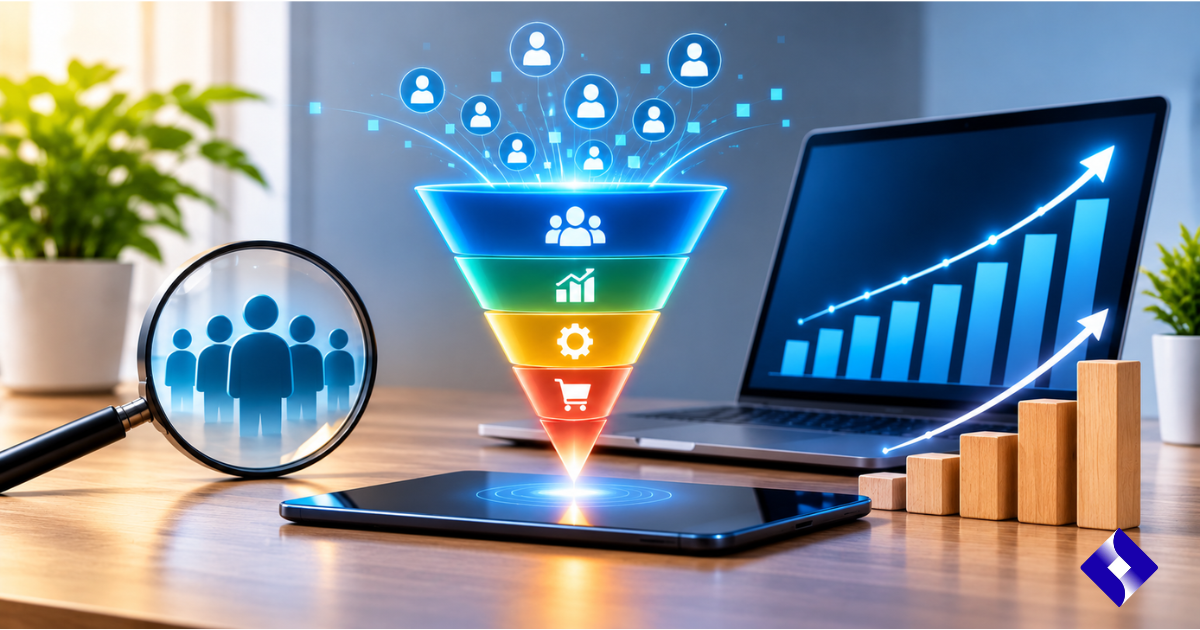
Marketing technology works by collecting information, organising customer data, identifying useful patterns, supporting marketing activities, and measuring results.
These processes are connected. Information collected from one marketing channel can help businesses understand customer interests and improve communication through another channel, provided the relevant systems are integrated and the data is used appropriately.
Here is how the process generally works.
1. Customer Data Is Collected From Different Sources
The first step involves gathering information from customer interactions across digital channels.
When someone visits a website, subscribes to a newsletter, completes a purchase, or interacts with a social media post, the interaction may generate useful marketing data.
Businesses can collect information through different platforms, depending on their technology setup and privacy permissions.
| Data Source | Information It Can Provide |
| Business website | Page visits, product interests, and browsing activity |
| Email marketing | Opens, clicks, subscriptions, and engagement |
| Social media | Content interactions, comments, and audience engagement |
| CRM platform | Customer records, enquiries, and communication history |
| Online store | Orders, product preferences, and purchase history |
| Advertising platforms | Impressions, clicks, conversions, and campaign performance |
For example, a customer might visit an online clothing store, explore several product categories, and subscribe to its newsletter. These interactions can help the business understand which products may be relevant to that customer.
However, businesses should collect and process personal information according to applicable privacy regulations and user consent requirements.
2. Customer Information Is Organised and Connected
Collecting information is only useful when businesses can organise and interpret it.
Different platforms often store information in separate systems. A CRM might contain customer contact details, while an email marketing platform records subscriber engagement. An e-commerce platform may store order information.
Martech integrations help connect these systems and make relevant information accessible to authorised teams.
Customer Data Platforms (CDPs) can also help businesses collect and unify customer information from multiple sources into customer profiles.
For example, a business may connect website activity, purchase history, and email engagement to understand how customers interact with its brand.
This creates a more complete view of customer journeys instead of relying on isolated data points.
3. Customer Behaviour Is Analysed
Once information is organised, marketing teams can analyse it to identify patterns and understand audience behaviour.
Marketing analytics platforms help businesses evaluate what customers are doing, which campaigns are generating engagement, and where potential improvements may be needed.
Consider an online education company that notices visitors frequently explore its digital marketing courses but rarely complete the registration process.
By reviewing website analytics and conversion data, the marketing team may identify issues such as unclear course information, complicated registration forms, or a lack of relevant details.
This analysis provides a starting point for improving the customer experience.
| Marketing Data | What Businesses Can Understand |
| Website traffic | Which pages attract visitors |
| Conversion rate | How effectively visitors complete desired actions |
| Email engagement | Which messages generate interaction |
| Customer retention | Whether customers continue using a product or service |
| Campaign cost | How much businesses spend on marketing activities |
| Customer acquisition cost | The cost of acquiring new customers |
4. Marketing Activities Are Automated
Marketing automation is another important part of the Martech ecosystem.
It allows businesses to automate repetitive marketing tasks based on predefined conditions, customer actions, or campaign schedules.
For example, when someone subscribes to a newsletter, an automated system can send a welcome email. When an existing customer makes a purchase, the business may send an order confirmation or relevant follow-up communication.
Automation can also support lead nurturing, customer onboarding, email scheduling, and campaign management.
| Marketing Activity | Example of Automation |
| Email marketing | Sending welcome emails to new subscribers |
| Lead nurturing | Sharing relevant information with potential customers |
| Customer onboarding | Sending product guidance after registration |
| Abandoned cart communication | Reminding customers about unfinished purchases where permitted |
| Campaign scheduling | Publishing approved messages at selected times |
| Customer retention | Sending relevant updates to existing customers |
Automation does not mean removing people from marketing decisions. Businesses still need to create useful messages, review campaign performance, maintain data quality, and ensure that communication remains relevant.
5. Campaigns Are Managed Across Multiple Channels
Customers rarely interact with a business through just one channel. They may discover a product through search engines, visit its website, follow its social media account, and later receive an email.
Martech helps marketing teams coordinate activities across these channels.
For instance, a business launching a new product might use a content management system to publish a landing page, an email platform to contact subscribers, and social media management software to schedule campaign posts.
When these tools are properly integrated, teams can manage campaigns more efficiently and maintain consistent communication.
| Marketing Channel | How Martech Supports It |
| Search engines | Supports SEO research, performance monitoring, and website optimisation |
| Manages subscriber lists and email campaigns | |
| Social media | Helps schedule posts and monitor engagement |
| Websites | Manages content, landing pages, and user experiences |
| Paid advertising | Supports campaign management and performance analysis |
| Mobile applications | Helps coordinate notifications and customer communication |
6. Campaign Performance Is Measured and Improved
The final stage involves measuring results and using the findings to improve future marketing activities.
Martech analytics tools help businesses understand whether their campaigns are achieving their objectives.
For example, a company may discover that its email campaign generates a high number of clicks but very few purchases. This could indicate that the landing page, product information, pricing, or checkout experience needs attention.
Rather than simply increasing the advertising budget, the marketing team can investigate the problem and make improvements based on available evidence.
This creates an ongoing process of testing, learning, and optimisation.
What Are the Main Components of a Martech Stack?
A Martech stack is the collection of marketing technologies a business uses to manage its marketing operations.
The tools included in a stack depend on business size, marketing objectives, available resources, and the complexity of its operations.
Some businesses may need only a CRM, email marketing platform, and analytics tool. Larger organisations may require more advanced systems for customer data management, advertising, automation, and reporting.
| Martech Category | Main Purpose | Popular Examples |
| Customer Relationship Management (CRM) | Manages customer information and relationships | Salesforce, HubSpot CRM |
| Marketing Automation | Automates marketing workflows | HubSpot, Marketo Engage |
| Customer Data Platform (CDP) | Unifies customer data from different sources | Segment, Adobe Real-Time CDP |
| Email Marketing | Manages email communication and campaigns | Mailchimp, Brevo |
| Content Management System (CMS) | Creates and manages website content | WordPress, Contentful |
| Social Media Management | Schedules and monitors social content | Hootsuite, Buffer |
| Marketing Analytics | Measures marketing performance | Google Analytics 4, Adobe Analytics |
| SEO Platforms | Supports search performance and keyword research | Semrush, Ahrefs |
These platforms serve different purposes. Some provide overlapping features, while others are designed to solve specific marketing challenges.
A business does not need every available tool. The right Martech stack should support its actual marketing requirements without creating unnecessary complexity.
How Does Customer Data Help Businesses Make Smarter Marketing Decisions?
Customer data helps businesses move beyond assumptions and understand how people interact with their products, services, and marketing campaigns.
When businesses analyse relevant information, they can identify audience preferences, evaluate customer journeys, and improve their communication strategies.
Understanding Customer Preferences
Customer interactions can reveal which products, services, topics, and content formats attract attention.
For example, a software company may notice that visitors frequently read articles about project management but rarely explore its pricing page. This information can help the marketing team create more relevant educational content and improve its product messaging.
Improving Audience Segmentation
Audience segmentation involves dividing customers into groups based on relevant characteristics, interests, or behaviours.
Instead of sending identical messages to everyone, businesses can develop more relevant communication for different audience groups.
| Audience Segment | Possible Marketing Approach |
| New website visitors | Introduce the business and its services |
| Newsletter subscribers | Share educational content and updates |
| Existing customers | Provide product guidance and relevant updates |
| Returning website visitors | Offer information related to previously viewed topics |
| Inactive subscribers | Send appropriate re-engagement communication |
Segmentation should be based on appropriate data and used responsibly.
Measuring Marketing Effectiveness
Businesses can use campaign analytics to understand which marketing activities contribute to their objectives.
For example, if organic search generates consistent qualified enquiries while another channel produces traffic with little engagement, the company can investigate the difference and adjust its marketing priorities.
However, individual metrics should not be viewed in isolation. Website traffic, conversions, customer acquisition costs, and retention all provide different insights.
What Are the Benefits of Using Marketing Technology?
Marketing technology can improve how businesses organise, execute, and evaluate their marketing activities. Its value depends on how well the tools match business needs and how effectively teams use them.
| Benefit | How It Helps Businesses |
| Better data organisation | Makes relevant customer information easier to access |
| Improved efficiency | Reduces repetitive manual marketing work |
| More relevant communication | Supports audience segmentation and personalised messaging |
| Better campaign measurement | Helps teams understand marketing performance |
| Consistent customer experiences | Coordinates communication across different channels |
| Improved collaboration | Gives marketing teams access to shared information |
| Informed decision-making | Supports planning based on measurable results |
| Scalable operations | Helps businesses manage increasing marketing activities |
One important advantage is that Martech allows businesses to connect different marketing activities instead of managing each channel independently.
However, technology alone does not guarantee better results. Effective strategy, useful content, accurate data, and proper implementation remain essential.
What Challenges Should Businesses Consider Before Adopting Martech?
Although marketing technology offers several advantages, implementing it can create challenges when businesses do not have a clear strategy.
Understanding these issues before investing in new platforms can prevent unnecessary costs and operational difficulties.
| Common Challenge | Why It Happens | How to Address It |
| High software costs | Businesses subscribe to more platforms than they need | Evaluate requirements and compare pricing |
| Data fragmentation | Different tools store disconnected information | Prioritise compatible integrations |
| Complex implementation | Advanced platforms require technical knowledge | Start with essential features and provide training |
| Poor data quality | Incomplete or outdated customer records affect reporting | Establish regular data-cleaning processes |
| Privacy concerns | Customer information may be collected or used improperly | Follow applicable privacy and consent requirements |
| Low team adoption | Employees may struggle to understand new systems | Provide practical training and documentation |
| Too many tools | Overlapping platforms create unnecessary complexity | Review the Martech stack regularly |
A successful Martech strategy begins with identifying business problems rather than purchasing software simply because it offers advanced features.
How Can Businesses Choose the Right Marketing Technology?
Choosing the right marketing technology requires understanding existing marketing processes, business objectives, and operational limitations.
A small business may need a simple combination of website analytics, email marketing, and CRM software. An enterprise organisation may require a more integrated system with advanced customer data management and automation capabilities.
Before selecting a platform, businesses should evaluate several factors.
| Selection Factor | What to Consider |
| Business objectives | Does the platform solve an existing marketing problem? |
| Ease of use | Can employees operate it without unnecessary complexity? |
| Integration | Does it work with existing business systems? |
| Scalability | Can it support future business growth? |
| Pricing | Are subscription, implementation, and maintenance costs reasonable? |
| Data security | Does it offer suitable data protection and access controls? |
| Reporting | Can it measure the performance indicators that matter? |
| Customer support | Is reliable technical assistance available? |
It is also useful to test a platform before committing to a long-term subscription. Free trials, product demonstrations, and small pilot projects can help teams understand whether a solution meets their requirements.
What Is the Future of Marketing Technology?
Marketing technology continues to evolve as businesses adopt artificial intelligence, advanced analytics, automation, and connected customer data systems.
These developments are changing how marketing teams research audiences, create content, manage campaigns, and evaluate performance.
Artificial Intelligence in Marketing
Artificial intelligence can help analyse large datasets, identify patterns, support content workflows, and assist with campaign optimisation.
For example, AI-powered analytics can help marketing teams identify changes in customer behaviour or discover patterns that may require further investigation.
However, human review remains important. Businesses must check accuracy, protect customer information, and ensure that AI-generated recommendations support genuine business objectives.
Greater Focus on Customer Data Privacy
Customers increasingly expect businesses to handle their personal information responsibly.
As privacy requirements and platform policies evolve, businesses need to pay greater attention to consent management, data transparency, security, and responsible data collection.
Martech platforms that support appropriate privacy controls will remain important for organisations managing customer information.
Connected Marketing Platforms
Businesses are also looking for ways to reduce disconnected systems and improve information sharing.
Better integrations between CRM platforms, analytics tools, advertising systems, and marketing automation software can help teams understand customer journeys more clearly.
The focus is shifting from simply having more marketing tools to building a technology ecosystem that works together.
Frequently Asked Questions
1. What is Martech in simple terms?
Martech, or marketing technology, refers to digital tools and software that help businesses manage marketing activities. These tools support tasks such as customer data management, email marketing, advertising, automation, content management, and campaign analytics.
2. How does marketing technology work?
Marketing technology works by collecting customer information, organising data, analysing behaviour, supporting marketing campaigns, automating selected activities, and measuring performance. Businesses use these insights to improve marketing strategies and customer communication.
3. What is the difference between Martech and Adtech?
Martech focuses on the broader marketing process, including customer relationship management, email marketing, content management, automation, and analytics. Adtech specifically focuses on technologies used to plan, deliver, manage, and measure digital advertising.
4. What are some common examples of Martech tools?
Common Martech tools include HubSpot, Salesforce, Mailchimp, Google Analytics 4, WordPress, Semrush, Ahrefs, Buffer, and Adobe Experience Platform. Each platform supports different marketing activities.
5. What is a Martech stack?
A Martech stack is a collection of marketing technology platforms that a business uses to manage its marketing operations. It may include CRM software, analytics platforms, email marketing tools, content management systems, and marketing automation software.
6. Is Martech useful for small businesses?
Yes. Small businesses can use Martech to organise customer information, manage email communication, monitor website performance, and automate repetitive marketing tasks. They can begin with a few essential tools and expand as their requirements grow.
7. How does AI influence marketing technology?
AI supports marketing technology by helping businesses analyse data, identify patterns, assist with content creation, and improve selected marketing workflows. Human oversight is still necessary to ensure accuracy, relevance, and responsible use.
Conclusion
Marketing technology has become an important part of how modern businesses plan, manage, and evaluate their marketing activities. From collecting customer information to analysing campaign performance, Martech connects different processes and helps teams make more informed decisions.
Its real value does not come from using the largest number of platforms. Instead, it comes from choosing suitable tools, organising reliable data, creating relevant customer experiences, and measuring meaningful results.
For businesses exploring Martech, the best starting point is to understand their current marketing challenges and identify which technologies can solve them. A well-planned technology ecosystem can support more organised marketing operations and provide a stronger foundation for future growth.