


Introduction
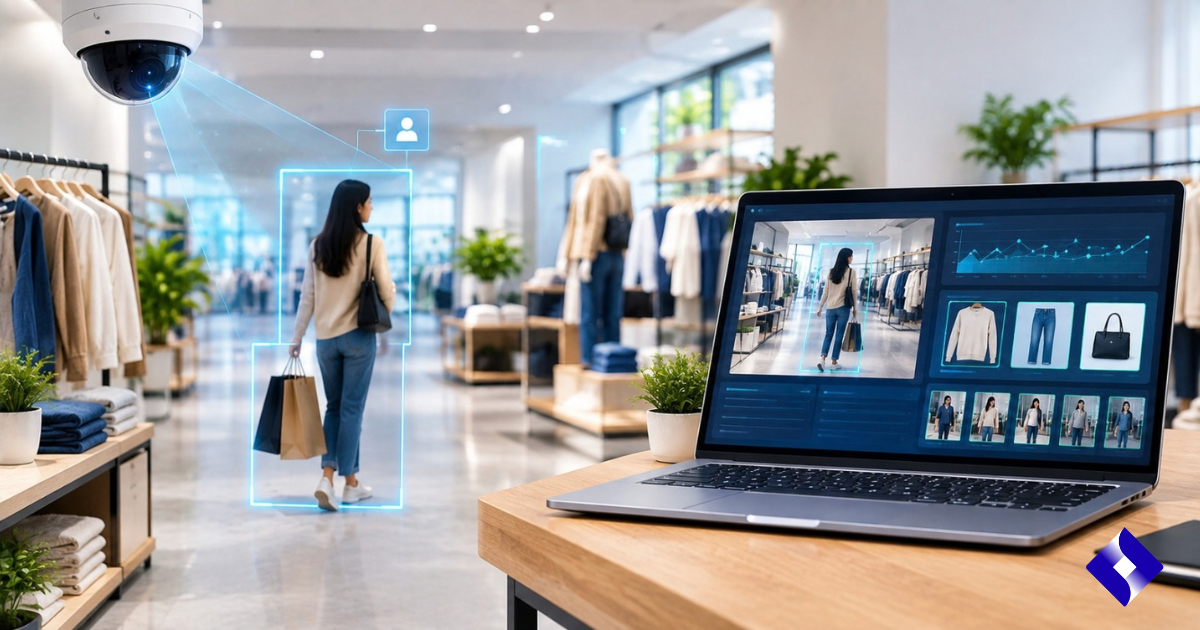
The retail industry is undergoing a major transformation as businesses embrace artificial intelligence to create smarter, more efficient shopping environments. One of the most impactful technologies driving this transformation is retail AI vision automation , which combines artificial intelligence, computer vision, and advanced analytics to help stores understand customer behavior, manage operations, and improve decision-making.
Traditional retail systems often rely on manual monitoring, barcode scanning, and employee observations. While these methods are effective, they provide limited real-time insights. AI-powered vision systems can analyze visual information from cameras and sensors to identify patterns, detect problems, and automate repetitive processes.
From cashierless stores and automated checkout systems to smart shelves and customer flow analytics, computer vision is reshaping how modern retailers operate. These solutions allow businesses to create more personalized shopping experiences while improving efficiency behind the scenes.
This article explains what retail AI vision automation is, how it works, its key features, benefits, challenges, and its growing role in the future of retail.
Table of contents
- What is Retail AI Vision Automation?
- How computer vision works in retail.
- Key Features of Retail AI Vision Automation
- Applications of AI vision technology in stores
- Benefits of Retail AI Vision Automation
- Challenges and limitations
- Advantages and disadvantages of AI vision systems in retail
- The future of computer vision in retail
- Frequently Asked Questions
- Conclusion
- Key Takeaways
What is Retail AI Vision Automation?
Retail AI vision automation refers to the use of artificial intelligence-powered cameras, computer vision algorithms, and data analytics tools to automate and improve retail operations.
Unlike traditional security cameras that only record video, AI vision systems can interpret visual data. They can recognize objects, analyze customer movement, monitor product availability, and identify operational issues without the need for constant human supervision.
These systems use technologies such as machine learning, deep learning, image recognition, and edge computing to process information from the store environment.
For example, an AI vision system can detect when a shelf is empty, identify long checkout lines, analyze customer navigation patterns, or recognize suspicious activity. This helps retailers make faster and more informed decisions.
How computer vision works in retail.
1. Taking pictures with smart cameras
The process begins with cameras installed in the retail environment. These cameras capture visual information from areas such as entrances, aisles, checkout counters, and product displays.
Modern retail cameras are designed to collect useful operational data while maintaining security standards and privacy controls.
2. AI-based image processing
After capturing images or video streams, AI algorithms analyze the information. Computer vision models are trained to recognize objects, people, products, and activities.
For example, the system can identify:
- Customer movement patterns.
- Product locations
- Shelf conditions
- Queue length
- Store traffic levels.
3. Data analysis and automated actions
The analyzed information is converted into useful insights. Retail managers can use these insights to improve store layout, improve inventory planning, and enhance customer service.
Some systems can also trigger automated actions, such as sending alerts when inventory levels are low or adjusting digital displays based on customer behavior.
Key Features of Retail AI Vision Automation
Real-time customer behavior analysis
AI vision technology is its ability to understand how customers interact with the store.
Retailers can analyze:
- Which products attract attention?
- How customers move through the aisles.
- Which areas receive the most traffic?
- How much time do shoppers spend in specific sections?
These insights help businesses improve store layout and product placement strategies.
Automated inventory monitoring
Inventory management is one of the most important applications of computer vision in retail.
AI cameras can monitor shelves and detect:
- Empty spaces.
- Incorrect product placement
- Low stock conditions
- Missing products
This reduces reliance on manual shelf checks and helps prevent lost sales due to unavailable products.
Smart checkout and cashierless shopping
AI vision plays a crucial role in automated checkout systems.
Using cameras, sensors, and AI algorithms, these systems can identify selected products and complete transactions with minimal human involvement.
This technology supports faster checkout experiences and reduces wait times during busy periods.
Loss prevention and theft detection
Retail businesses lose significant revenue due to inventory shrinkage, including theft and operational errors.
The AI vision system can identify unusual activities, such as:
- Handling of suspicious products
- Unusual movement patterns.
- Unauthorized access to restricted areas
These alerts allow store teams to respond quickly while reducing unnecessary manual monitoring.
Queue management
Long checkout lines can negatively impact customer satisfaction.
AI-powered queue monitoring can measure:
- Number of waiting customers
- Average waiting time
- Checkout counter demand
Retailers can use this information to open additional counters or adjust staffing levels during business hours.
Applications of AI vision technology in modern stores
Smart Shelves
Smart shelves combine cameras, sensors, and AI analytics to monitor product availability.
They help retailers maintain accurate inventory levels and ensure that products are available when customers need them.
Personalizing the customer experience
Retail AI systems can analyze shopping patterns and provide insights that help businesses create personalized experiences.
Examples include:
- Personalized product recommendations
- Targeted digital displays
- Improved store navigation
These applications help retailers understand customer needs more effectively.
Automated checkout system
Many modern retail environments are offering frictionless shopping experiences where customers can pick out products and complete a purchase without the traditional checkout process.
AI vision enables accurate product identification and transaction processing.
Retail analytics and store optimization
AI-generated insights help retailers answer key questions:
- Which products perform best in specific locations?
- Which store areas receive less attention?
- When is customer traffic level highest?
These insights support better business decisions.
Benefits of Retail AI Vision Automation
Improved operational efficiency
Automation reduces the need for repetitive manual tasks, allowing employees to focus on customer service and high-value activities.
Retail teams can respond quickly to operational issues with real-time alerts and analytics.
Improved inventory accuracy
AI Vision improves inventory visibility by continuously monitoring product availability.
It helps reduce:
- Stock shortage
- Overstocking
- Manual counting errors
Better customer experience
Faster checkout, better product availability, and improved store layouts create a seamless shopping experience.
Customers benefit from reduced wait times and easier product discovery.
Data-driven decision-making
Retailers can make decisions based on real customer behavior rather than assumptions.
AI analytics provide valuable information about shopping patterns, product performance, and store efficiency.
Reduction in operational costs
Although implementation requires investment, automation can reduce long-term costs by improving productivity and reducing inefficiencies.
Challenges and limitations of retail AI vision automation
Privacy concerns
The use of cameras and AI analysis raises important privacy concerns.
Retailers must comply with data protection regulations and implement responsible practices when collecting and processing customer information.
Implementation costs
The installation of AI cameras, software platforms, and supporting infrastructure may require significant investment.
Small retailers may face challenges in adopting modern systems due to budget limitations.
Accuracy limits
Computer vision systems are improving rapidly, but they are not perfect.
Factors such as poor lighting, camera positioning, crowded environments, and unusual conditions can affect accuracy.
Integration with existing systems
Retailers often need to integrate AI vision solutions with existing systems such as:
- Point of Sale Software
- Inventory platforms
- Customer Relationship Management Tools
Successful integration requires proper planning and technical expertise.
Advantages and Disadvantages of Retail AI Vision Automation
| Profession | Cons |
| Provides real-time store insights. | Initial investment required. |
| Improves inventory management. | Privacy concerns need to be addressed. |
| Reduces manual monitoring. | Technical maintenance is required. |
| Enhances the customer experience. | Accuracy may vary in complex environments. |
| Supports better business decisions. | Integration can be difficult. |
The future of computer vision in retail
The future of retail is expected to be increasingly intelligent, automated, and data-driven.
Advances in artificial intelligence will continue to improve computer vision capabilities, allowing stores to more accurately understand customer needs.
Future developments may include:
- More advanced cashierless shopping
- AI-powered store assistants
- Automated product recommendations
- Predictive inventory management
- Real-time operational optimization
As AI technology becomes more accessible, businesses of all sizes can adopt computer vision solutions to improve efficiency and customer satisfaction.
Frequently Asked Questions
What is Retail AI Vision Automation?
Retail AI vision automation uses artificial intelligence, computer vision, and smart cameras to analyze the store environment and automate tasks such as inventory monitoring, customer analysis, and security management.
How does computer vision improve retail operations?
Computer vision helps retailers monitor products, understand customer behavior, manage queues, prevent losses, and make better operational decisions using real-time visual data.
Is AI vision technology only used by large retailers?
No, while large retailers were early adopters, affordable AI solutions are becoming available for smaller stores, supermarkets, and specialty retailers.
Does retail AI vision automation replace employees?
AI vision systems are primarily designed to assist employees by automating repetitive tasks and providing insights. Human staff continue to play a critical role in customer service and decision-making.
How does AI vision help in inventory management?
AI cameras can monitor shelves, detect missing products, and provide alerts when inventory levels need attention.
Are AI-powered retail cameras safe for consumers?
Retailers are required to implement privacy-oriented practices, follow applicable regulations, and use responsible data management practices to ensure that customer information is handled properly.
Which industries can use AI vision automation?
In addition to retail, computer vision technology is used in manufacturing, healthcare, logistics, transportation, and smart city applications.
Conclusion
Retail AI vision automation is transforming the way modern stores operate by combining artificial intelligence, computer vision, and real-time analytics. From improved inventory management and automated checkout systems to enhanced customer experiences, this technology is helping retailers create more efficient environments.
While challenges such as privacy concerns, implementation costs, and system accuracy remain, continued advances in AI are making these solutions more practical and accessible.
For retailers looking to compete in a rapidly changing market, computer vision technology represents a significant step toward building better, more responsive, and data-driven stores.
Key Takeaways
- Retail AI vision automation uses AI and computer vision to analyze the store environment.
- Smart cameras can monitor customers, products, inventory, and operational activities.
- AI vision improves efficiency, reduces manual work, and enhances customer experiences.
- Retailers use computer vision for inventory tracking, checkout automation, security, and analytics.
- Privacy, cost, and integration challenges must be carefully managed.
- The future of retail will increasingly depend on intelligent automation and real-time insights.