


Introduction:
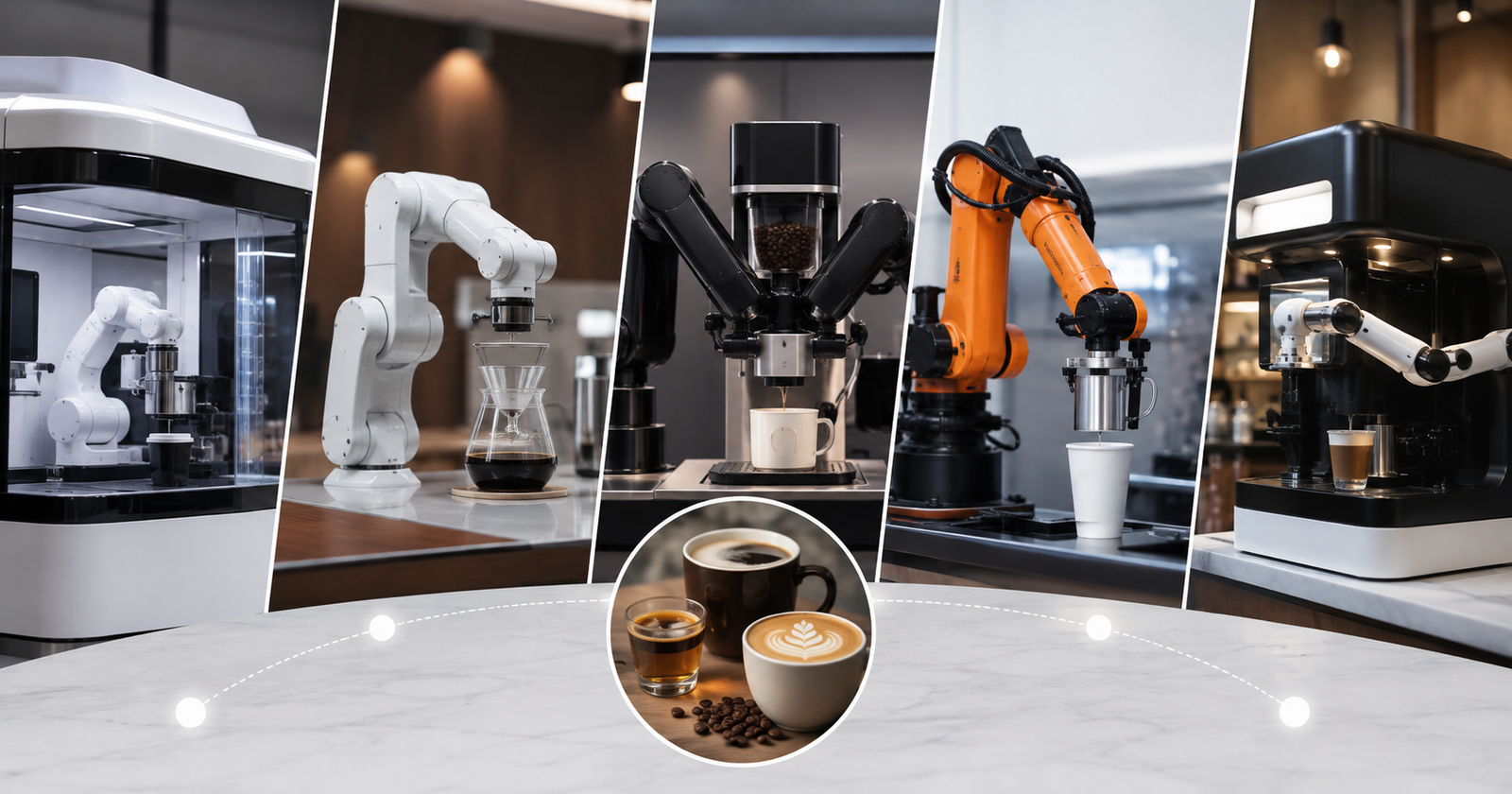
The coffee industry is entering a new era where automation, artificial intelligence, and robotics are changing how beverages are prepared and served. From fully automated robotic cafes to robotic arms assisting baristas, coffee technology is helping businesses improve consistency, speed, and customer experiences.
As demand for smarter cafe solutions grows, several companies have entered the market with different approaches. Some focus on autonomous coffee shops, while others provide robotic systems that support existing cafe operations. Brands such as Cafe X, Artly, Rozum, and KUKA have become recognized names when discussing the future of robotic coffee preparation.
Understanding the differences between these coffee robot brands, Cafe X, Artly, Rozum, KUKA, and other competitors can help cafe owners, technology enthusiasts, and businesses explore how automation is shaping the future of coffee service.
What Are Coffee Robot Brands and Why Are They Becoming Popular?
Coffee robot brands develop robotic systems designed to automate different parts of coffee preparation and service. These systems can include robotic baristas, automated espresso machines, robotic arms, AI-powered ordering systems, and complete unmanned cafe concepts.
The popularity of coffee robots is increasing because businesses are looking for solutions that can deliver consistent quality while reducing operational challenges.
| Traditional Cafe Challenge | How Coffee Robots Help |
| Maintaining consistent drink quality | Robots can follow programmed recipes with high accuracy |
| Long customer waiting times | Automated systems can prepare drinks quickly |
| Staff availability challenges | Robotic solutions can support operations during busy periods |
| Scaling cafe locations | Automated cafes can operate with fewer manual processes |
| Customer demand for technology-driven experiences | Robotic cafes create unique and interactive experiences |
Coffee robotics does not necessarily aim to replace human creativity. Instead, many companies focus on combining automation with better efficiency and improved customer convenience.
Overview of Leading Coffee Robot Brands
The coffee robotics industry includes companies with different specialties. Some build complete robotic cafes, while others provide industrial robotic technology that can be adapted for coffee applications.
| Brand | Main Focus | Technology Approach |
| Cafe X | Automated robotic coffee kiosks | Robotic arms, automated brewing systems, digital ordering |
| Artly | AI-powered robotic barista experiences | Artificial intelligence combined with robotic coffee preparation |
| Rozum Robotics | Collaborative robotic solutions | Compact robotic arms for automated tasks |
| KUKA | Industrial and collaborative robotics | Advanced robotic platforms used across industries, including food automation |
| Other emerging brands | Smart cafe automation | AI, robotics, and self-service technologies |
Cafe X: One of the Early Robotic Coffee Shop Concepts
Cafe X gained attention by introducing robotic coffee kiosks designed to automate beverage preparation. The concept focused on creating a fast and consistent coffee experience through robotic automation.
Cafe X systems used robotic technology to handle tasks normally performed by a barista, including drink preparation and serving. Customers could place orders digitally, and the robotic system would prepare the beverage with minimal human involvement.
| Cafe X Feature | Description |
| Primary concept | Automated robotic coffee kiosk |
| Main technology | Robotic arm and automated beverage preparation |
| Customer interaction | Digital ordering experience |
| Key advantage | Consistent preparation and faster service |
| Best suited for | High-traffic locations and modern retail environments |
Cafe X helped demonstrate how robotics could be applied to everyday coffee experiences and influenced the development of future automated cafe concepts.
Artly: Combining Artificial Intelligence With Robotic Coffee Preparation
Artly takes a different approach by combining robotics with artificial intelligence to create a more interactive coffee experience.
The company focuses on robotic baristas that can prepare coffee while creating a more engaging customer interaction. Instead of only automating the mechanical process, Artly emphasizes the connection between AI technology and the traditional craft of coffee making.
| Artly Technology Aspect | Explanation |
| AI integration | Uses artificial intelligence to enhance interaction |
| Robotic preparation | Automates coffee-making tasks |
| Customer experience | Creates an engaging robotic barista concept |
| Focus area | Future-focused cafe automation |
Artly represents a shift toward smarter coffee machines that are not only efficient but also designed to provide a memorable customer experience.
Rozum Robotics: Flexible Robotic Solutions for Automation
Rozum Robotics specializes in compact collaborative robots that can perform automated tasks across different industries.
While not exclusively a coffee company, Rozum’s robotic technology can support applications where precision, flexibility, and automation are important. Robotic arms from companies like Rozum can be integrated into food and beverage environments, including coffee preparation workflows.
| Rozum Robotics Aspect | Details |
| Main expertise | Collaborative robotic systems |
| Industry usage | Manufacturing, service automation, and specialized applications |
| Strength | Compact and flexible robotic platforms |
| Coffee relevance | Robotic components can support automated cafe operations |
Companies using flexible robotic systems can customize automation based on their specific cafe requirements.
KUKA: Industrial Robotics Entering Food and Beverage Automation
KUKA is one of the world’s well-known robotics manufacturers, providing industrial and collaborative robotic solutions.
Although KUKA is not specifically a coffee robot brand, its robotic arms and automation technology are used across industries where precision and repeatability are important. Food and beverage businesses can adapt robotic systems like these for different automated processes.
| KUKA Robotics Strength | Description |
| Robotics expertise | Advanced industrial automation |
| Technology | Industrial and collaborative robots |
| Applications | Manufacturing, logistics, food automation |
| Coffee industry role | Provides robotic technology infrastructure |
KUKA represents the broader robotics ecosystem supporting the development of automated cafes.
Coffee Robot Brands Compared: Cafe X vs Artly vs Rozum vs KUKA
The following comparison shows how these companies differ in their approach to coffee automation.
| Brand | Category | Main Strength | Coffee Industry Role |
| Cafe X | Robotic cafe solution | Automated coffee kiosks | Direct robotic coffee service |
| Artly | AI coffee automation | AI-powered robotic barista experience | Direct coffee automation |
| Rozum | Collaborative robotics | Flexible robotic arms | Automation technology provider |
| KUKA | Industrial robotics | Advanced robotic platforms | Robotics infrastructure provider |
Other Coffee Robot Competitors and Emerging Players
The coffee robotics market continues to expand as more companies explore automation. New competitors are developing technologies focused on robotic cafes, smart vending systems, AI ordering platforms, and automated beverage preparation.
| Type of Competitor | Technology Focus |
| Robotic cafe startups | Fully automated coffee shops |
| Food automation companies | Robotic preparation systems |
| AI technology companies | Smart ordering and personalization |
| Equipment manufacturers | Automated coffee machines |
The future market is likely to include a combination of robotics companies, coffee equipment manufacturers, and AI-driven technology providers.
How Coffee Robots Are Changing the Future of Cafes
Coffee robots are influencing the cafe industry in several important ways. Businesses are exploring automation not only to reduce repetitive tasks but also to create new customer experiences.
| Future Trend | Impact on Coffee Industry |
| AI-powered personalization | More customized customer experiences |
| Smart robotic assistants | Better operational efficiency |
| Automated kiosks | Expansion into new locations |
| Data-driven operations | Improved understanding of customer preferences |
| Human-robot collaboration | Combining technology with traditional coffee skills |
The future of coffee may not be completely automated. Instead, successful cafes may combine robotic efficiency with human creativity and hospitality.
Are Coffee Robots Replacing Baristas?
The role of coffee robots is often misunderstood. Most modern robotic coffee systems are designed to automate repetitive tasks rather than completely eliminate human involvement.
Baristas contribute skills such as:
| Human Barista Skills | Why They Matter |
| Coffee knowledge | Understanding flavors and preparation techniques |
| Customer relationships | Creating personal connections |
| Creativity | Developing new beverages and experiences |
| Hospitality | Providing a welcoming environment |
Robotics can handle consistency and efficiency, while humans continue to bring creativity and emotional connection.
Final Thoughts:
The growth of coffee robot brands shows how quickly automation is transforming the cafe industry. Companies like Cafe X and Artly focus directly on robotic coffee experiences, while Rozum and KUKA represent the broader robotics technologies supporting automation.
As technology continues to improve, coffee robots are likely to become more common in cafes, airports, offices, and retail environments. Understanding the differences between these brands helps businesses and technology enthusiasts recognize where the future of automated coffee is heading.
The next generation of cafes may not be defined only by machines or humans, but by how effectively both can work together to create better coffee experiences.
Frequently Asked Questions (FAQs)
What are the leading coffee robot brands today?
Some notable names in coffee robotics include Cafe X, Artly, Rozum Robotics, KUKA, and other emerging automation companies developing robotic cafe solutions.
Are coffee robots only used in cafes?
No. Coffee robots can also be used in offices, airports, shopping centers, hotels, and other locations where automated beverage service is useful.
How do coffee robots work?
Coffee robots typically combine robotic arms, automated coffee equipment, software controls, sensors, and sometimes artificial intelligence to prepare beverages.
Will coffee robots replace human baristas?
Coffee robots are mainly designed to automate repetitive processes. Human creativity, customer service, and coffee expertise remain valuable parts of the cafe experience.