


Introduction
Agriculture has always depended on experience, observation, and traditional knowledge passed from one generation to another. Farmers understand their land, weather patterns, and crops through years of practical experience. However, modern agricultural challenges such as climate change, rising input costs, water shortages, soil degradation, and increasing food demand require new solutions.
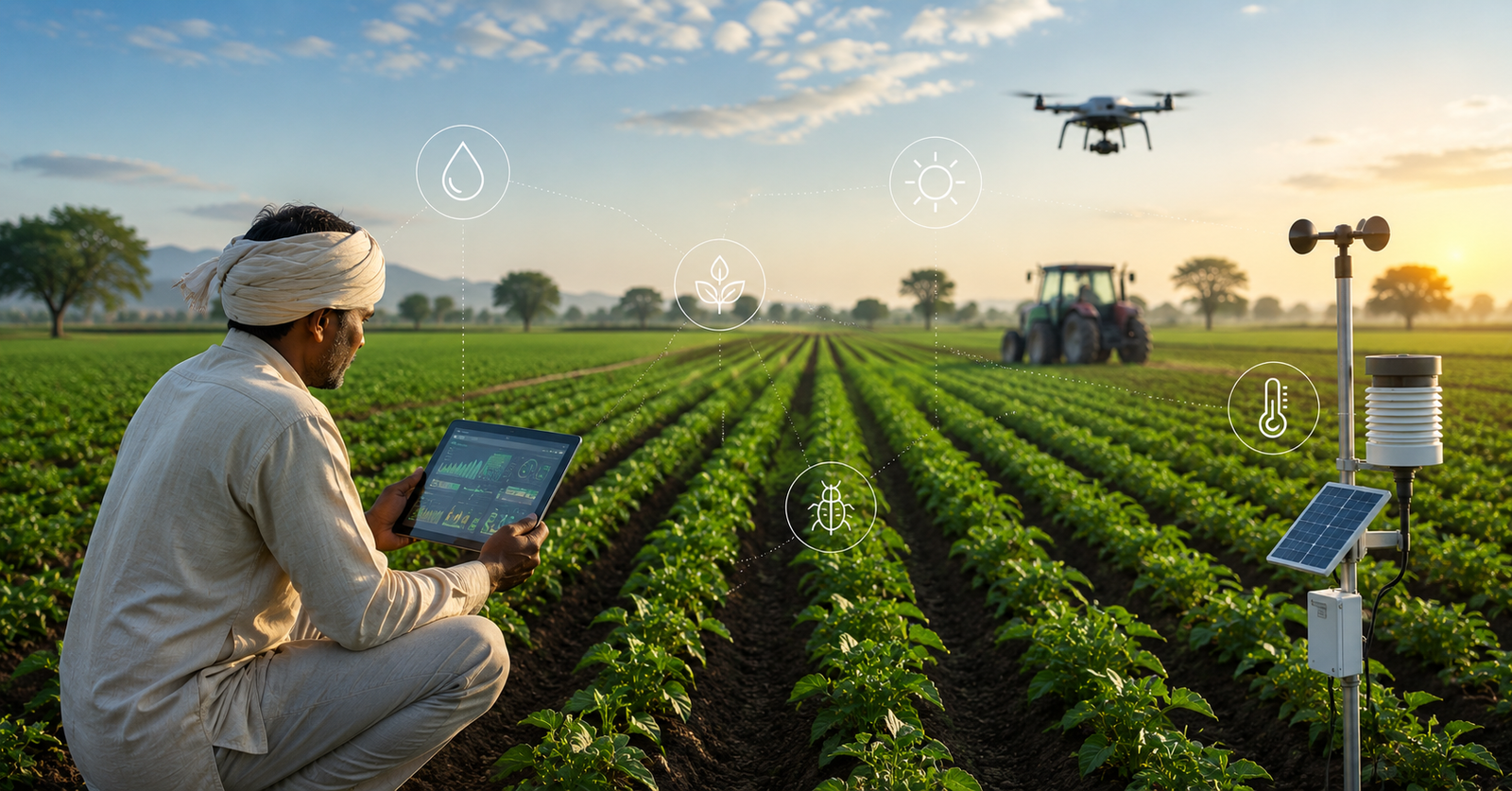
Integrating technology with traditional farming creates a balanced approach where farmers can combine their knowledge with digital tools, data-driven insights, and advanced equipment. This combination helps improve productivity while maintaining sustainable and environmentally responsible farming practices.
Technology does not replace traditional farming methods. Instead, it enhances decision-making by providing farmers with accurate information about soil conditions, crop health, weather changes, and resource usage.
Table of Contents
- Understanding the Need for Technology in Traditional Farming
- Major Agricultural Challenges Solved Through Technology
- Ways to Integrate Technology With Traditional Farming
- Key Features of Modern Agricultural Technology
- Benefits of Combining Technology and Traditional Agriculture
- Pros and Cons of Technology-Based Farming
- Frequently Asked Questions
- Conclusion
- Key Takeaways
Understanding the Need for Technology in Traditional Farming
Traditional farming methods have supported communities for centuries, but they often depend heavily on manual labor and personal judgment. While farmers possess valuable experience, unpredictable environmental conditions make farming more complex than ever.
Technology helps bridge this gap by offering scientific data and automated solutions. Farmers can use digital tools to make better decisions about planting, irrigation, fertilization, and pest control.
The goal is not to eliminate traditional farming but to strengthen it with accurate information and efficient methods.
Major Agricultural Challenges Solved Through Technology
1. Climate Change and Unpredictable Weather
Changing weather patterns have made farming more challenging. Unexpected rainfall, droughts, and extreme temperatures can damage crops and reduce yields.
Weather monitoring systems, satellite data, and forecasting applications help farmers prepare for changing conditions. By understanding upcoming weather patterns, farmers can adjust planting schedules and protect crops from potential risks.
2. Water Scarcity and Efficient Irrigation
Water management is one of the biggest challenges in agriculture. Traditional irrigation methods can sometimes waste large amounts of water.
Smart irrigation systems use sensors to measure soil moisture and deliver water only when crops need it. This reduces water waste while ensuring healthier plant growth.
3. Soil Health Management
Healthy soil is essential for successful farming. However, excessive chemical use and improper cultivation practices can reduce soil quality.
Modern soil testing technology allows farmers to analyze nutrient levels, moisture content, and soil conditions. These insights help farmers apply fertilizers more accurately and maintain long-term soil fertility.“`
4. Pest and Disease Control
Crop diseases and pests can cause significant financial losses. Traditional methods often rely on visual inspection, which may identify problems only after damage occurs.
Artificial intelligence, drone monitoring, and digital crop analysis tools can detect early signs of pest attacks or diseases. Early detection allows farmers to take targeted action instead of applying unnecessary treatments.
Ways to Integrate Technology With Traditional Farming
Precision Agriculture
Precision agriculture uses technology to collect and analyze farm data. Farmers can monitor crop conditions, identify problem areas, and apply resources more efficiently.
GPS-enabled equipment, sensors, and mapping tools allow farmers to manage different areas of their fields according to specific needs.
Smart Farming Sensors
Sensors placed in fields can monitor important factors such as:
- Soil moisture
- Temperature
- Nutrient levels
- Crop growth conditions
This information helps farmers make informed decisions instead of relying only on guesswork.
Drone Technology
Drones provide farmers with aerial views of their fields. They can identify damaged areas, monitor crop growth, and support precision spraying.
For large farms, drones reduce inspection time and improve accuracy.
Mobile Agricultural Applications
Smartphone applications provide farmers with access to:
- Weather updates
- Market prices
- Farming advice
- Pest management information
- Crop recommendations
These tools make valuable agricultural knowledge more accessible, especially for small and medium-sized farmers.
Artificial Intelligence and Data Analytics
Artificial intelligence helps analyze large amounts of agricultural data. AI-powered systems can predict crop diseases, recommend planting strategies, and improve resource management.
By combining traditional farming experience with AI-based recommendations, farmers can make more effective decisions.
Key Features of Technology-Integrated Farming
Data-Based Decision Making
Technology provides accurate information that helps farmers make better choices about crops, irrigation, and fertilizers.
Resource Optimization
Smart farming tools reduce unnecessary use of water, seeds, fertilizers, and pesticides.
Improved Crop Monitoring
Digital monitoring systems allow farmers to track crop health throughout the growing season.
Automation Support
Automated machinery and smart equipment reduce physical workload and improve farming efficiency.
Sustainable Agricultural Practices
Technology encourages environmentally friendly farming by reducing waste and promoting efficient resource use.
Benefits of Combining Technology and Traditional Agriculture
Increased Productivity
Technology helps farmers identify the best conditions for crop growth, leading to improved yields and better-quality produce.
Reduced Farming Costs
Efficient use of resources lowers unnecessary expenses related to water, fertilizers, pesticides, and labor.
Better Risk Management
Weather forecasting and crop monitoring systems help farmers prepare for environmental challenges.
Improved Sustainability
Technology supports conservation practices that protect soil, water, and biodiversity.
Greater Access to Information
Digital platforms connect farmers with expert knowledge, market information, and improved farming techniques.
Pros and Cons of Technology-Based Farming
Pros
- Higher agricultural productivity
- Better resource management
- Reduced environmental impact
- Improved decision-making
- Early detection of crop problems
- Less dependence on manual monitoring
Cons
- High initial investment costs
- Requires technical knowledge
- Limited internet access in some rural areas
- Maintenance challenges
- Small farmers may face adoption difficulties
Frequently Asked Questions
1. How does technology improve traditional farming?
Technology improves traditional farming by providing accurate information about soil, weather, crops, and resources. It helps farmers make better decisions while maintaining traditional agricultural knowledge.
2. What technologies are used in modern agriculture?
Common agricultural technologies include drones, GPS systems, artificial intelligence, smart sensors, automated machinery, mobile farming applications, and satellite monitoring.
3. Can small farmers benefit from agricultural technology?
Yes. Small farmers can use affordable technologies such as mobile apps, digital marketplaces, weather tools, and low-cost sensors to improve productivity and reduce risks.
4. Does technology replace traditional farming methods?
No. Technology supports traditional farming by improving efficiency and providing scientific insights. Farmers’ experience remains an important part of successful agriculture.
5. How does technology help save water in agriculture?
Smart irrigation systems and soil moisture sensors ensure crops receive the required amount of water, reducing unnecessary water consumption.
6. Is technology-based farming environmentally friendly?
Yes. When used correctly, technology reduces resource waste, improves soil management, and supports sustainable farming practices.
7. What is the future of technology in agriculture?
The future of agriculture will likely involve greater use of artificial intelligence, automation, robotics, and data analytics to create smarter and more sustainable farming systems.
Conclusion
Integrating technology with traditional farming is one of the most effective ways to address modern agricultural challenges. Farmers’ practical knowledge combined with digital tools creates a stronger and more sustainable farming approach.
From improving water efficiency to predicting crop diseases and increasing productivity, technology provides solutions that support farmers without replacing their expertise.
The future of agriculture depends on finding the right balance between traditional wisdom and modern innovation. By adopting suitable technologies, farmers can build more resilient, profitable, and environmentally responsible agricultural systems.
Read more: Airwave Technologies HSD-Titanium Headset Microphone: Common User Problems and How It Solves Them